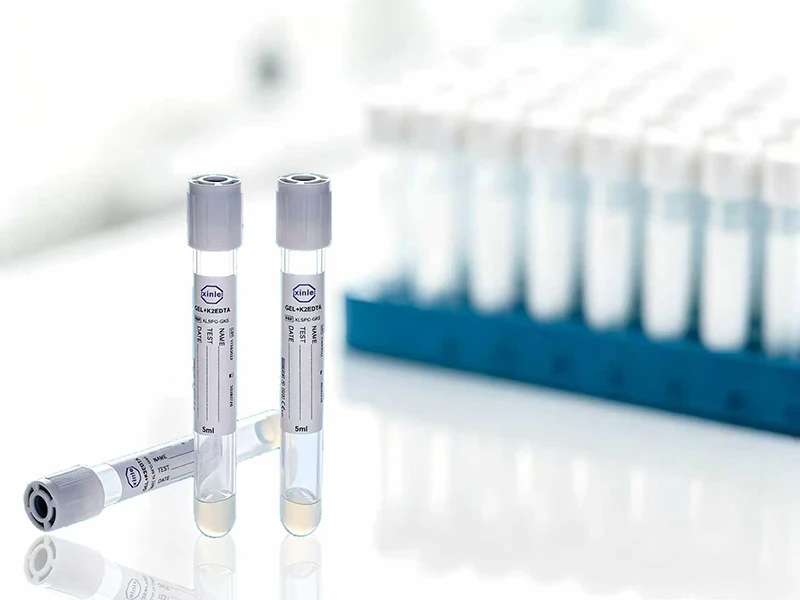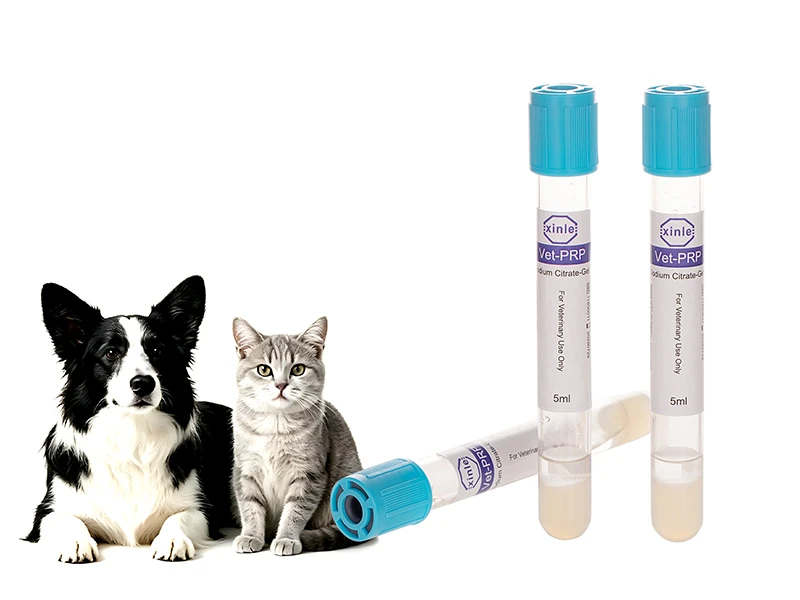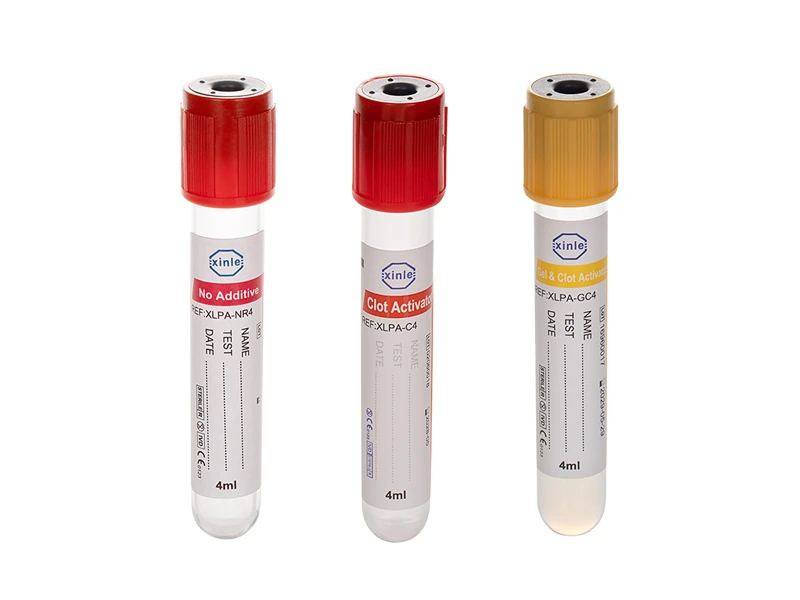

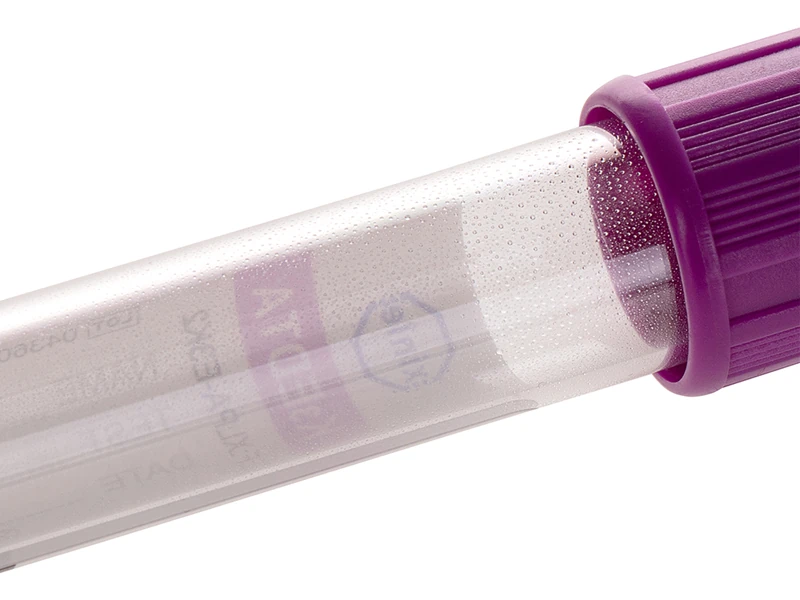
Blood collection tubes are more than simple containers for blood specimens. The tube additive, additive concentration, inner wall treatment, tube material, and manufacturing process can all influence specimen quality and, ultimately, laboratory test results.
A properly designed blood collection tube should provide appropriate interaction between the blood specimen and the tube while minimizing unwanted effects such as hemolysis, clot formation, platelet activation, adsorption, contamination, or interference with analytical testing.
Understanding these factors is important for hospitals, clinical laboratories, blood collection centers, medical distributors, and blood collection tube manufacturers.
1. What Are Blood Collection Tube Additives?
Blood collection tube additives are substances placed inside a tube to achieve a specific specimen condition.
Common additives include:
- EDTA
- Sodium citrate
- Heparin
- Sodium fluoride
- Potassium oxalate
- Clot activators
- Separator gels
- Other specialized additives
Different additives produce different types of specimens.
For example:
EDTA → Anticoagulated whole blood → Hematology
Sodium citrate → Citrated plasma → Coagulation testing
Heparin → Heparinized plasma → Clinical chemistry
Clot activator → Serum → Biochemistry and immunology
Therefore, selecting the appropriate additive is one of the most important steps in blood specimen collection.
2. How EDTA Affects Blood Test Results
EDTA is one of the most widely used anticoagulants for hematology testing.
It works primarily by binding calcium, preventing blood coagulation.
Common applications
EDTA tubes are commonly used for:
- Complete blood count (CBC)
- Hemoglobin
- Hematocrit
- Red blood cell count
- White blood cell count
- Platelet count
- HbA1c
- Peripheral blood testing
Why EDTA quality matters
The amount and distribution of EDTA must be appropriately controlled.
Too much or too little additive relative to the blood volume can affect specimen quality.
Potential problems may include:
- Changes in cell morphology
- Platelet-related abnormalities
- Changes in hematological parameters
- Specimen rejection
This is why tube additive concentration and blood-to-additive ratio are important quality-control parameters.
3. How Sodium Citrate Affects Coagulation Tests
Sodium citrate is widely used for coagulation testing.
It binds calcium reversibly and helps preserve the coagulation system until testing.
Common applications include:
- PT
- INR
- APTT
- Fibrinogen
- D-dimer
- Other coagulation studies
Blood-to-additive ratio is critical
For many coagulation applications, maintaining the appropriate blood-to-citrate ratio is essential.
If a tube is significantly underfilled, there may be too much citrate relative to the blood sample.
This can potentially affect coagulation test results.
Therefore, vacuum accuracy, tube fill volume, and additive concentration are important considerations when manufacturing and using citrate tubes.
4. How Heparin Affects Plasma Testing
Heparin prevents coagulation by interfering with the coagulation process.
Common heparin tube configurations include:
- Lithium heparin
- Sodium heparin
Heparinized plasma is frequently used for clinical chemistry and selected urgent laboratory testing.
Why heparin formulation matters
Different laboratory tests may have different requirements.
For example, the choice between lithium heparin and sodium heparin should be based on the intended test because the chemical composition of the anticoagulant can potentially influence certain measurements.
The correct tube specification should therefore be confirmed according to the laboratory’s validated procedure or test manufacturer’s instructions.
5. How Fluoride/Oxalate Tubes Affect Glucose Testing
Fluoride-containing tubes are commonly used when preservation of glucose concentration is required.
Sodium fluoride inhibits glycolysis, helping reduce glucose consumption by blood cells after collection.
These tubes may be used for:
- Glucose testing
- Glucose tolerance testing
- Lactate testing
- Selected metabolic tests
The exact additive combination depends on the tube design and intended application.
6. How Clot Activators Affect Serum Quality
Serum tubes may contain a clot activator to promote blood clotting.
Clot activators can help reduce clotting time and facilitate serum preparation.
They are commonly used for:
- Clinical chemistry
- Serology
- Immunology
- Hormone testing
- Biochemical analysis
Why clot activator quality matters
A well-controlled clot activator should provide consistent clotting performance without introducing unnecessary interference into the specimen.
Factors such as:
- Additive type
- Additive quantity
- Distribution on the tube wall
- Drying process
- Compatibility with the tube material
can influence specimen preparation.
7. How Separator Gel Affects Serum or Plasma Separation
Serum separator tubes and plasma separator tubes use a polymer gel to create a physical barrier between blood cells and serum or plasma after centrifugation.
A typical process is:
Blood collection → Clotting/anticoagulation → Centrifugation → Gel barrier formation → Serum/plasma separation
Why gel performance matters
The gel should provide consistent separation under the specified centrifugation conditions.
Poor gel performance may lead to:
- Incomplete separation
- Gel movement
- Cell contact with serum/plasma
- Difficult sample handling
- Potential analytical interference
The gel formulation, density, viscosity, tube geometry, and centrifugation conditions can all influence separation performance.
8. What Is Blood Collection Tube Inner Wall Treatment?
The inner wall of a blood collection tube can be treated or coated to control how blood interacts with the tube surface.
Depending on the tube type, the inner surface may be designed to support:
- Anticoagulant distribution
- Clot activation
- Serum separation
- Reduced specimen adhesion
- Controlled interaction between blood and tube material
Inner wall treatment is therefore an important part of tube design.
9. Why Inner Wall Uniformity Matters
For additive-containing tubes, the additive needs to be distributed consistently.
For example, if an additive is applied to the inner wall, uneven distribution could create areas with different additive concentrations.
This can potentially affect:
- Anticoagulation
- Clotting performance
- Specimen stability
- Reproducibility
Consistent coating and drying processes are therefore important in blood collection tube manufacturing.
10. Inner Wall Treatment and Hemolysis
Hemolysis occurs when red blood cells rupture and release intracellular components into serum or plasma.
Hemolysis can interfere with certain laboratory measurements.
The risk of hemolysis can be influenced by many factors, including:
- Needle size
- Blood collection technique
- Tube vacuum
- Tube material
- Tube surface characteristics
- Transportation
- Centrifugation
- Specimen handling
Therefore, inner wall characteristics are only one factor among many that can affect hemolysis.
A properly manufactured tube should provide a suitable internal surface while maintaining mechanical and chemical compatibility with the specimen.
11. How Tube Material Can Affect Specimen Quality
Blood collection tubes are commonly manufactured using materials such as:
- Glass
- PET
- Other specialized polymers
The tube material must be compatible with the intended specimen and additive.
Important properties include:
- Chemical compatibility
- Mechanical strength
- Surface characteristics
- Gas permeability
- Dimensional stability
- Centrifugation performance
Material selection should therefore be based on the intended application rather than simply the appearance or cost of the tube.
12. Adsorption and Blood Collection Tubes
Some analytes or drugs can interact with container surfaces.
This phenomenon is commonly referred to as adsorption.
Depending on the analyte and test method, adsorption to the tube wall may potentially affect the concentration available for analysis.
For specialized applications, laboratories may therefore specify particular:
- Tube materials
- Surface treatments
- Additives
- Tube types
This is particularly important for specialized or low-concentration analytes.
13. Additive-to-Blood Ratio Matters
One of the most important principles in blood collection is the relationship between blood volume and additive quantity.
The same additive may perform differently if the blood volume is significantly different from the tube’s intended fill volume.
For example:
Sodium citrate tube
Correct blood volume
↓
Correct blood-to-citrate ratio
↓
More reliable coagulation testing
This is why vacuum tube manufacturing requires precise control of:
- Tube dimensions
- Vacuum level
- Additive dosage
- Additive concentration
- Fill volume
14. How Tube Manufacturing Quality Affects Laboratory Testing
The performance of a blood collection tube depends not only on the chemical additive but also on manufacturing consistency.
Important quality-control parameters include:
Tube Dimensions
Consistent dimensions help maintain predictable internal volume and compatibility with collection and centrifugation systems.
Vacuum Accuracy
The vacuum should be controlled according to the specified blood collection volume.
Additive Dosage
The quantity of additive should be controlled within the manufacturer’s specifications.
Additive Distribution
Additives should be distributed consistently throughout the intended inner surface.
Inner Wall Treatment
Coating or surface treatment should be uniform and stable.
Tube Integrity
The tube should maintain its structural integrity during:
- Blood collection
- Transportation
- Centrifugation
- Laboratory processing
15. Additives vs. Inner Wall Treatment: What Is More Important?
Both are important, but they serve different purposes.
| Factor | Main Function | Potential Impact |
| EDTA | Anticoagulation | Blood cell preservation |
| Sodium citrate | Coagulation control | Coagulation test accuracy |
| Heparin | Anticoagulation | Plasma chemistry |
| Fluoride | Glycolysis inhibition | Glucose preservation |
| Clot activator | Promote clotting | Serum preparation |
| Separator gel | Physical separation | Serum/plasma quality |
| Inner wall treatment | Control surface interaction | Additive distribution and specimen interaction |
| Tube material | Container compatibility | Specimen stability and handling |
| Vacuum | Control collection volume | Blood-to-additive ratio |
The best-performing blood collection tube is therefore a system, rather than simply a tube containing a chemical additive.
16. How to Select a High-Quality Blood Collection Tube
For hospitals, laboratories, distributors, and medical device importers, consider the following factors.
1. Intended Laboratory Test
Start with the specific test application.
2. Specimen Type
Determine whether the test requires:
- Whole blood
- Serum
- Plasma
- Special specimens
3. Additive
Confirm the required additive and concentration.
4. Tube Volume
Check the required draw volume.
5. Inner Wall Treatment
For additive-containing tubes, evaluate coating or surface-treatment uniformity.
6. Tube Material
Confirm compatibility with the intended application.
7. Centrifugation Requirements
Check compatibility with the laboratory’s centrifugation procedures.
8. Quality Control
Ask suppliers about:
- Additive uniformity
- Vacuum accuracy
- Tube dimensions
- Leakage testing
- Clotting performance
- Hemolysis performance
- Gel separation performance
- Batch-to-batch consistency
17. What Should Blood Collection Tube Manufacturers Control?
A reliable blood collection tube manufacturing process should control the complete product system.
Raw Materials
The quality of:
- Tube material
- Additives
- Clot activators
- Separator gel
- Packaging materials
should be controlled.
Manufacturing Process
Key processes may include:
Tube forming → Cleaning → Inner wall treatment → Additive application → Drying → Vacuum setting → Stoppering → Inspection → Packaging
The exact manufacturing process depends on the tube design.
Quality Inspection
Manufacturers should establish appropriate inspection and validation procedures for:
- Appearance
- Dimensions
- Vacuum
- Additive quantity
- Additive uniformity
- Clotting performance
- Anticoagulation performance
- Separation performance
- Tube integrity
- Packaging integrity
18. Why Specimen Quality Starts With the Collection Tube
Laboratory testing can only be as reliable as the specimen provided to the analyzer.
A simplified specimen journey is:
Patient → Blood Collection → Collection Tube → Specimen Preparation → Centrifugation → Laboratory Analyzer → Test Result
The blood collection tube is the first controlled laboratory container in this process.
If the tube is incorrectly selected or poorly manufactured, problems may occur before the specimen even reaches the analyzer.
This is why blood collection tubes should be considered an important part of the pre-analytical phase of laboratory testing.
Frequently Asked Questions
Do blood collection tube additives affect test results?
Yes. Additives are specifically designed to create the required specimen condition, and incorrect additive selection, concentration, or blood-to-additive ratio can affect specimen quality and potentially laboratory results.
Does the inner wall of a blood collection tube matter?
Yes. The inner surface can influence how blood and additives interact with the tube. Uniform surface treatment is particularly important for tubes containing dried additives or specialized coatings.
Can the wrong blood collection tube cause inaccurate results?
Yes. Using an inappropriate tube can lead to problems such as clotting, hemolysis, additive interference, incorrect specimen type, or insufficient specimen volume.
Does blood tube color determine the additive?
Usually, color provides a quick identification system, but color conventions can vary between manufacturers and markets. The additive and product specification should always be confirmed.
Why is vacuum accuracy important?
Vacuum determines how much blood enters the tube. For tubes with a defined blood-to-additive ratio, incorrect blood volume can affect specimen quality and test performance.
Are serum and plasma tubes interchangeable?
No. Serum and plasma are different specimen types, and the appropriate tube depends on the laboratory test requirements.
Conclusion
Blood collection tube performance depends on more than tube color.
Additives, additive concentration, blood-to-additive ratio, inner wall treatment, tube material, vacuum accuracy, and manufacturing consistency can all contribute to specimen quality and laboratory testing performance.
For healthcare professionals and laboratories, the correct approach is:
Test Requirement → Specimen Type → Additive → Tube Specification → Collection → Processing
For manufacturers and medical distributors, consistent control of the complete tube system is equally important.
A high-quality blood collection tube should provide consistent additive performance, reliable specimen collection, suitable inner wall characteristics, stable tube integrity, and reproducible manufacturing quality.