
Biochemistry testing, also known as clinical chemistry testing, analyzes substances in blood such as glucose, cholesterol, triglycerides, liver enzymes, kidney function markers, electrolytes, proteins, and other biochemical analytes.
The appropriate blood collection tube for biochemistry testing depends on the specific test and whether the laboratory requires serum or plasma.
For routine biochemistry testing, the most commonly used tubes are:
- Serum Separator Tube (SST)
- Plain Serum Tube with Clot Activator
- Lithium Heparin Tube
- Sodium Heparin Tube for specific applications
- Fluoride/Oxalate Tube for glucose-related testing
Different laboratories and analyzers may have different specimen requirements, so the laboratory’s test instructions should always be followed.
1. Serum Separator Tube (SST) – A Common Choice for Biochemistry
The Serum Separator Tube (SST) is one of the most widely used blood collection tubes for routine clinical chemistry.
An SST generally contains:
- Clot activator
- Serum separator gel
- Plastic blood collection tube
After blood collection, the blood is allowed to clot and then centrifuged. The separator gel forms a barrier between the serum and blood cells, making serum separation easier.
SST tubes are commonly used for tests such as:
- Liver function tests
- Kidney function tests
- Lipid panels
- Basic metabolic panels
- Comprehensive metabolic panels
- Total protein
- Albumin
- Enzymes
- Many routine biochemical assays
For example, UW Medicine lists SST tubes for common chemistry panels including metabolic, lipid, and hepatic function testing.
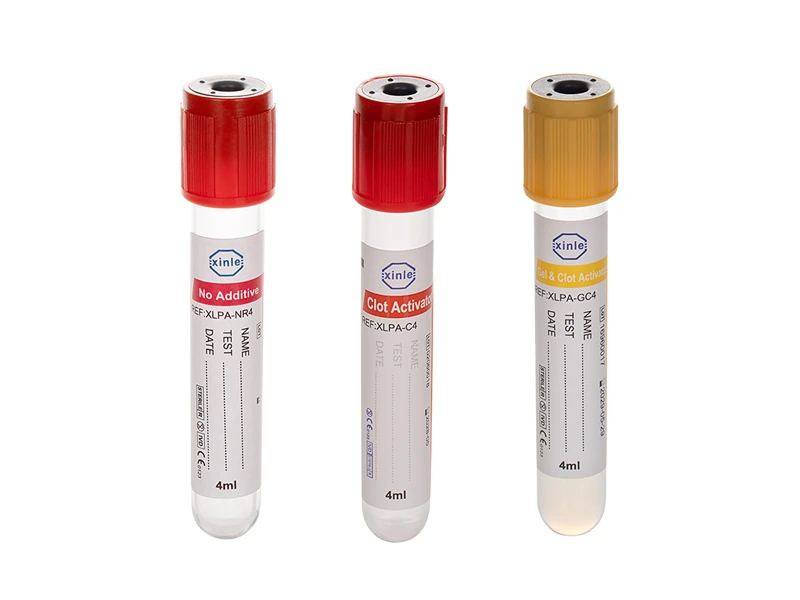
Typical cap color: Gold or yellow/gold, depending on the manufacturer and local laboratory system.
Important: Tube cap colors are not globally standardized across every manufacturer. Always check the tube label and laboratory requirements rather than relying only on color.
2. Plain Serum Tube with Clot Activator
A serum tube without separator gel can also be used for many biochemistry tests.
The tube may contain a clot activator to accelerate clot formation. After collection:
Blood collection → clot formation → centrifugation → serum separation → biochemical analysis
Serum tubes are commonly used for:
- Biochemistry
- Immunology
- Serology
- Hormone testing
- Selected therapeutic drug monitoring
Singapore laboratory guidance also identifies plain clot-activator serum tubes and SST tubes as commonly used for chemistry, immunology, and serology testing.
3. Lithium Heparin Tube – For Plasma Biochemistry
A Lithium Heparin Tube is another important blood collection tube for clinical chemistry.
Unlike a serum tube, lithium heparin prevents blood clotting, allowing the laboratory to obtain plasma.
Lithium heparin tubes are commonly used when rapid plasma-based biochemical testing is required, including some:
- Electrolyte tests
- Renal function tests
- STAT biochemistry
- Plasma chemistry tests
For example, Singapore laboratory guidance lists lithium heparin tubes for STAT biochemistry tests such as electrolytes and renal screening.
A key advantage is that plasma does not require the same clotting period as serum, which can help laboratories achieve faster turnaround times.
4. Serum vs. Plasma for Biochemistry Testing
One of the most important considerations when selecting a blood collection tube is whether the laboratory requires serum or plasma.
| Specimen | Common Tube | Main Feature | Typical Application |
| Serum | SST | Clot activator + separator gel | Routine chemistry |
| Serum | Plain serum tube | No anticoagulant | Chemistry, immunology, serology |
| Plasma | Lithium heparin | Anticoagulant | Plasma chemistry, STAT testing |
| Plasma | Sodium heparin | Anticoagulant | Selected chemistry applications |
| Plasma/whole blood | Fluoride/oxalate | Glycolysis inhibition | Glucose testing |
Clinical chemistry testing can be performed using either serum or plasma, but results are not necessarily identical for every analyte. Research comparing serum, SST, and lithium-heparin plasma has demonstrated that specimen type can influence certain biochemical measurements.
Therefore, the correct blood collection tube should be selected according to the specific test rather than simply choosing the most common tube.
5. What Tube Is Used for Common Biochemistry Tests?
The following table provides a general guide.
| Biochemistry Test | Commonly Used Tube | Specimen |
| Glucose | Fluoride/oxalate or laboratory-specified tube | Plasma/whole blood |
| Total cholesterol | SST / serum tube | Serum |
| Triglycerides | SST / serum tube | Serum |
| ALT / AST | SST / serum tube | Serum |
| Creatinine | SST / lithium heparin | Serum/plasma |
| Urea | SST / lithium heparin | Serum/plasma |
| Electrolytes | Lithium heparin or laboratory-specified tube | Plasma |
| Total protein | SST / serum tube | Serum |
| Albumin | SST / serum tube | Serum |
| Bilirubin | SST / serum tube | Serum |
| Calcium | SST / serum or laboratory-specified tube | Serum |
| Uric acid | SST / serum tube | Serum |
Note: This table is a general reference, not a substitute for the laboratory’s test-specific specimen requirements. Tube type, additive, sample volume, processing time, and analyzer requirements can vary between laboratories.
6. Why Does the Blood Collection Tube Matter?
The tube is not simply a container. Its additives, separator gel, tube material, blood-to-additive ratio, and sample handling process can affect laboratory results.
Potential pre-analytical problems include:
- Hemolysis
- Incorrect blood-to-additive ratio
- Inadequate mixing
- Delayed centrifugation
- Inappropriate storage
- Additive carryover
- Serum or plasma contamination
- Incorrect tube selection
Studies have shown that components of blood collection tubes can interfere with clinical chemistry assays, while the order of draw helps reduce additive carryover between tubes.
For this reason, laboratories should use validated collection tubes and follow the manufacturer’s instructions for collection, mixing, clotting, centrifugation, storage, and transportation.
7. How to Choose a Blood Collection Tube for Biochemistry Testing
When selecting a blood collection tube, consider the following factors:
1. Identify the Required Specimen
First determine whether the test requires:
- Serum
- Plasma
- Whole blood
This is the most important step.
2. Select the Correct Additive
Common additives include:
- Clot activator
- Separator gel
- Lithium heparin
- Sodium heparin
- Sodium fluoride
- Potassium oxalate
The additive must be compatible with the intended test.
3. Consider Sample Separation
For routine serum chemistry, an SST with separator gel can simplify serum separation.
For plasma chemistry, a lithium heparin tube may be appropriate when specified by the laboratory.
4. Follow the Correct Blood Collection Procedure
After collection, additive-containing tubes should be gently inverted according to the manufacturer’s instructions. Vigorous shaking can contribute to hemolysis.
5. Follow the Laboratory’s Test Requirements
The same biochemical analyte may sometimes be accepted from different specimen types, while other tests have strict specimen requirements.
Therefore, always check the laboratory test manual or analyzer manufacturer’s requirements before selecting the tube.
8. Serum Separator Tube vs. Lithium Heparin Tube
A common question is:
“Should I use an SST or lithium heparin tube for biochemistry testing?”
The answer depends on the required specimen.
Choose an SST when:
- Serum is required
- Routine chemistry testing is being performed
- Serum separation with a gel barrier is preferred
- The laboratory’s test instructions specify SST
Choose a lithium heparin tube when:
- Plasma is required
- Rapid plasma chemistry testing is needed
- STAT biochemistry testing is being performed
- The laboratory specifically validates lithium-heparin plasma for the test
Neither tube is universally “better.” The appropriate tube is the one validated for the specific test and laboratory workflow.
9. How XINLE Blood Collection Tubes Support Biochemistry Testing
For manufacturers and laboratories looking for reliable blood collection tubes for clinical chemistry, product consistency is essential.
XINLE blood collection tubes can be developed and supplied for different specimen requirements, including:
- Serum collection tubes
- Serum separator tubes
- Clot activator tubes
- Lithium heparin tubes
- Sodium heparin tubes
- Other additive blood collection tubes
Important quality considerations include:
- Consistent tube vacuum
- Reliable additive performance
- Uniform tube dimensions
- Effective serum/plasma separation
- Low risk of hemolysis
- Stable gel performance
- Clear tube identification
- Reliable packaging and transportation
For international medical device buyers, the product specification, applicable certifications, validation data, and local regulatory requirements should also be evaluated before procurement.
10. Frequently Asked Questions
What color tube is used for biochemistry?
There is no single universal color for all biochemistry tests. Gold/yellow SST tubes and red serum tubes are commonly used for serum chemistry, while green lithium heparin tubes are commonly used for plasma chemistry. Local laboratory conventions should always be checked.
Which blood collection tube is best for biochemistry?
For routine serum biochemistry, an SST (Serum Separator Tube) is a common choice. For plasma-based or STAT chemistry, a lithium heparin tube may be preferred when specified by the laboratory.
Can EDTA tubes be used for biochemistry?
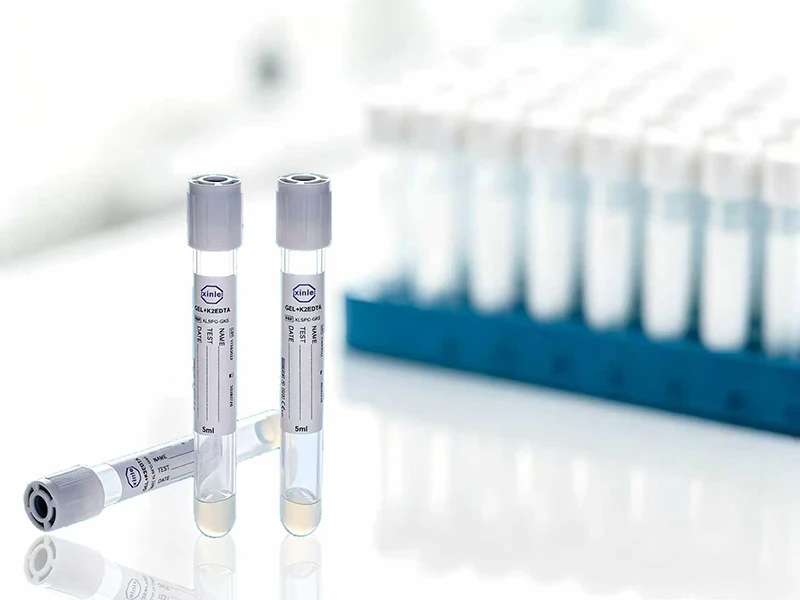
Generally, EDTA tubes are not the routine choice for standard serum chemistry because EDTA can interfere with certain analytes, particularly calcium and some metal ions. EDTA tubes are primarily associated with hematology and selected specialized tests.
Which tube is used for liver function tests?
Liver function tests are commonly performed using serum collected in an SST or serum tube, depending on the laboratory’s requirements.
Which tube is used for kidney function tests?
Kidney function tests such as creatinine and urea may be performed using serum or lithium-heparin plasma, depending on the laboratory method.
Which tube is used for electrolyte testing?
Lithium heparin tubes are commonly used for plasma electrolyte testing, although the exact requirement depends on the laboratory and analytical system.
Conclusion
Choosing the right blood collection tube for biochemistry testing is essential for obtaining reliable laboratory results.
For routine serum chemistry, SST and serum tubes are widely used. For plasma-based and rapid biochemical testing, lithium heparin tubes are commonly used. Other specialized tests may require different additives, such as fluoride/oxalate tubes for certain glucose testing applications.
The key principle is simple:
Choose the blood collection tube based on the required specimen type, additive, test method, and laboratory requirements—not simply by tube color.
For medical distributors, diagnostic laboratories, hospitals, and OEM buyers, selecting a reliable blood collection tube manufacturer is equally important for consistent sample quality and laboratory performance.
XINLE – Reliable Blood Collection Tubes for Clinical Laboratory Testing.