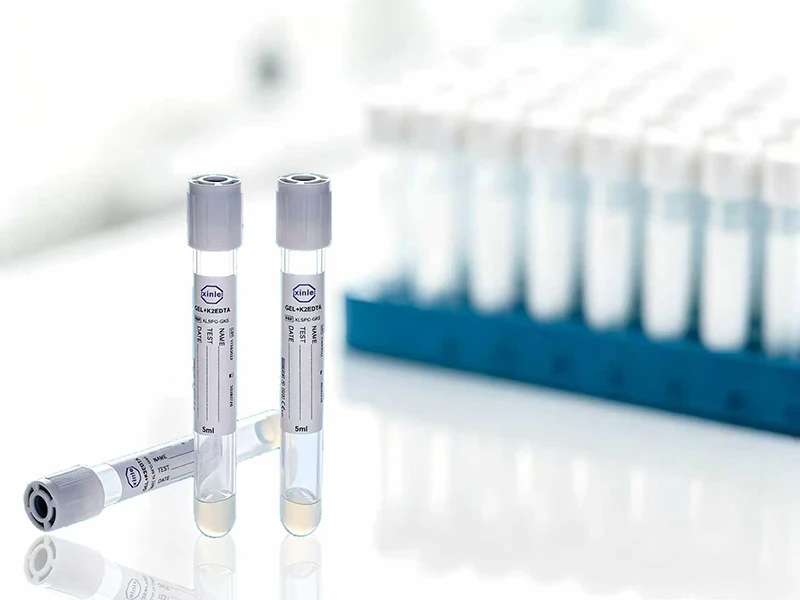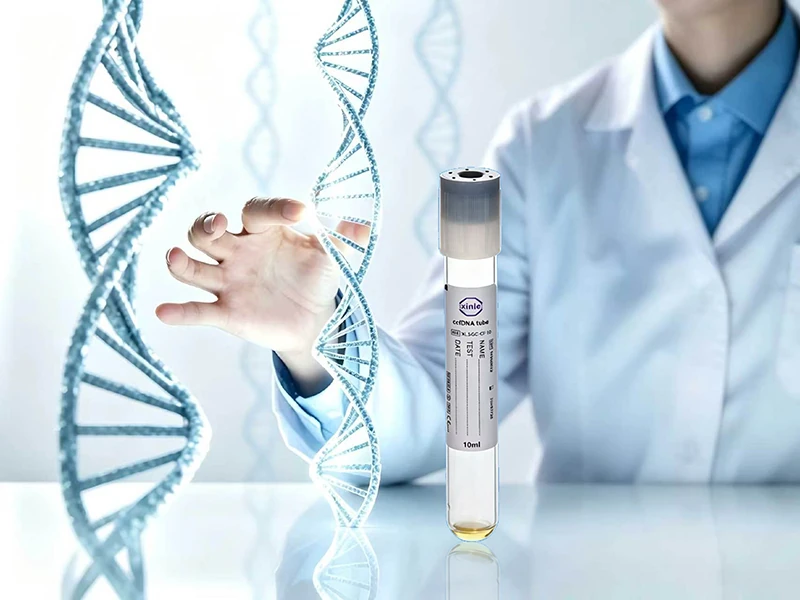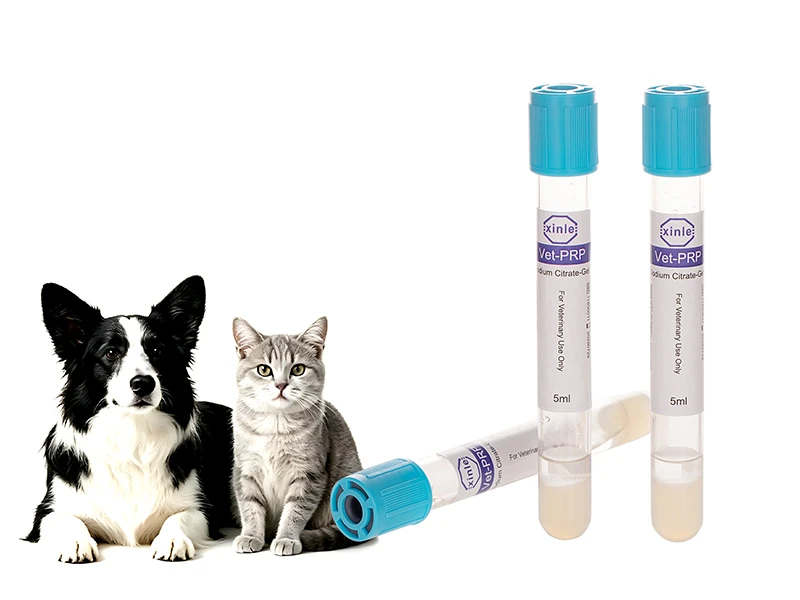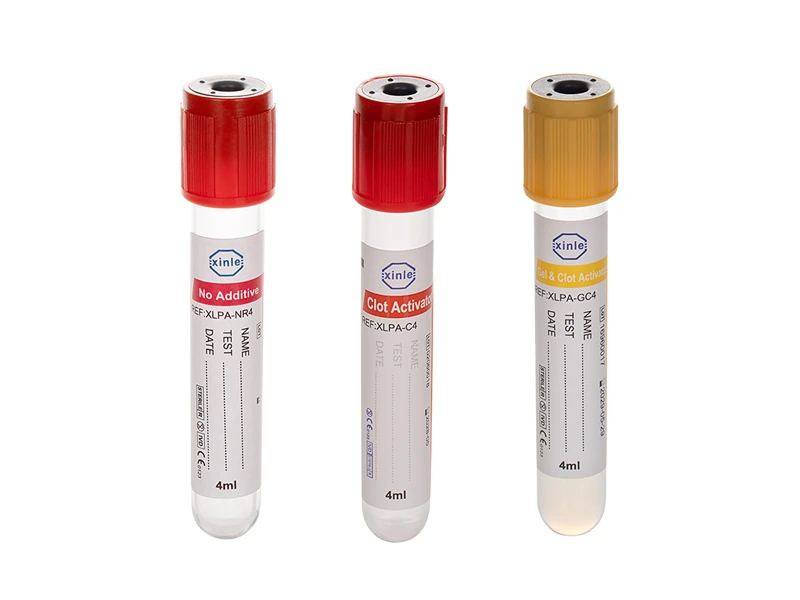

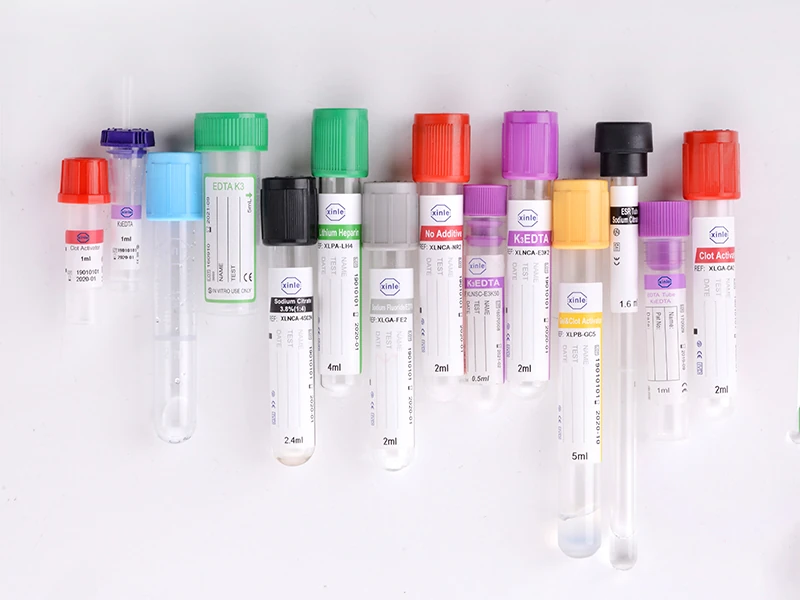
Vacuum blood collection tubes are manufactured in two primary materials: PET (polyethylene terephthalate) plastic and glass. While tube cap colors define tube additives, tube material directly impacts workplace safety, vacuum retention, sample stability, centrifugation performance and test reliability. Selecting between PET and glass tubes is a critical pre analytical decision for phlebotomists, lab managers and procurement teams.
Core Differences Between PET and Glass Blood Tubes
| Item | PET Plastic Tubes | Glass Tubes |
| Safety | Shatter resistant; minimal risk of biohazard exposure from broken tubes. Safer for transport, mobile collection and high throughput labs. | Fragile. Breakage risk causes bio spill, aerosol hazards and sharps injury risk for staff. |
| Vacuum & Shelf life | Minor gas permeability. Good vacuum performance, shorter shelf life compared with glass options. | Zero gas permeation. Stable vacuum, longer shelf life for bulk stock and inventory storage. |
| Weight & Logistics | Lightweight; lower shipping cost, less protective packaging required. | Heavy; higher freight cost; needs heavy duty packaging to avoid breakage in transit. |
| Clotting Behaviour | Hydrophobic surface. Rely on clot activators for full clot formation. High quality PET tubes apply special inner coating to reduce clot adhesion on tube walls. | Naturally hydrophilic surface, supports spontaneous blood clot activation without extra activators. |
| Centrifugation | Tolerates higher RCF values, low risk of cracking during high speed centrifugation | Limited maximum centrifugation RCF; over speed centrifugation may crack glass tubes |
| Temperature Performance | Suitable for low temperature sample freezing; biobank compatible. | Not recommended for freezing; thermal shock may lead to cracking. |
| Automation Compatibility | Excellent. Fits most modern automated lab analysers and sample handling systems. | Limited compatibility with some high speed automated processors. |
| Typical Use Cases | Routine CBC, biochemistry, immunoassays, emergency departments, mobile clinics, field sampling, paediatric wards. | Long term stock storage, specialized trace element testing, biobank sample archiving, legacy lab workflows. |
When to Choose PET Blood Collection Tubes
Select PET tubes for most day to day clinical workflows:
- Routine hospital & clinic testing: CBC, metabolic panels, liver function, lipid, thyroid and serology tests.
- Mobile phlebotomy, home sampling, emergency settings: Shock resistant design avoids breakage during transport of collected specimens.
- High volume automated laboratories: PET tubes are optimized for modern lab automation systems, reducing break down incidents.
- Paediatric wards and point of care settings: Eliminates sharp hazards from broken glass.
- Samples requiring frozen storage: PET tubes support specimen freezing for biobank and retrospective testing.
Important note: Use only validated, coated PET serum tubes. Poor quality uncoated PET may cause clot sticking to inner walls and reduce serum recovery.
When to Choose Glass Blood Collection Tubes
Glass tubes are reserved for specific scenarios:
- Long term bulk inventory: Zero gas permeability preserves vacuum over extended shelf life for stockpiling.
- Specialized high precision assays: Certain trace element testing and reference lab workflows still prefer glass (verify manufacturer validation reports).
- Workflows relying on native surface activated clotting: Some legacy protocols use glass for serum collection without clot activator.
Limitation: Glass tubes cannot be frozen. Avoid high speed centrifugation above manufacturer specified RCF to prevent cracking and biohazard spillsNational C….
Key Selection Principles
- Match material with test requirements: For most routine assays, properly validated PET tubes deliver equivalent clinical results to glass. For trace metal or niche assays, check lab SOP and manufacturer validation documents before switching materialPMC.
- Evaluate workplace safety risks: High traffic collection areas, mobile sampling and paediatric settings should prioritize PET to reduce break related safety incidents.
- Consider storage and logistics: If you store large inventories for many months, glass offers superior vacuum stability. For fast turn over stock, PET works well.
- Centrifugation parameters must follow manufacturer specs: Never exceed recommended RCF for glass tubes. PET generally tolerates higher centrifugation forceNational C….
- Material choice does not replace order of draw and fill volume rules: Regardless of PET or glass, always follow standard order of draw and fill tubes to marked volume, especially citrate coagulation tubes.
Frequently Asked Questions
Q1: Are PET tubes clinically comparable to glass for routine lab tests?
A: Yes. Validated medical grade PET vacutainers produce clinically equivalent results for most routine biochemistry, haematology and serology tests when used according to manufacturer instructionsResearchGa….
Q2: Can PET tubes be used for coagulation tests (light blue sodium citrate)?
A: Yes, if the product is validated for coagulation assays. Always confirm product specifications, and ensure full tube fill to maintain critical 9:1 blood anticoagulant ratio.
Q3: Why would a lab still use glass tubes today?
A: Glass maintains vacuum far longer for long term storage. Some reference laboratories and biobanks select glass for specific high sensitivity testing workflows.
Q4: Can glass blood collection tubes go into freezer storage?
A: Generally no. Freezing causes thermal shock and glass cracking. Use PET tubes if sample freezing is required.
Conclusion
PET plastic tubes are now the mainstream choice for most modern clinical laboratories, hospitals and mobile phlebotomy thanks to safety, lightweight logistics and automation compatibility. Glass tubes remain valuable for long shelf life storage and select specialized applications. Always cross check manufacturer validation data and comply with local laboratory SOP before switching tube materials.