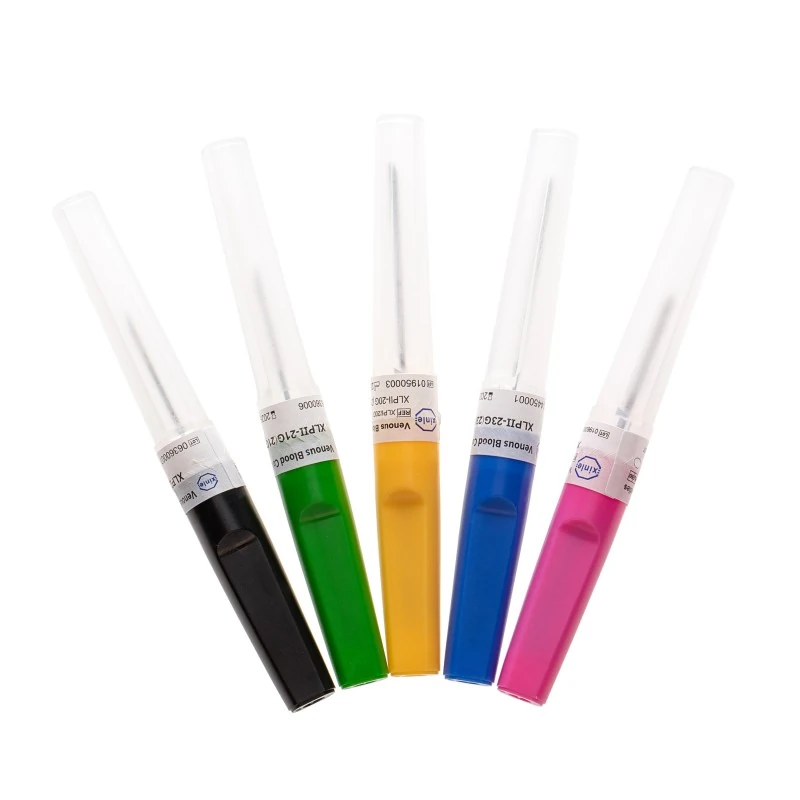
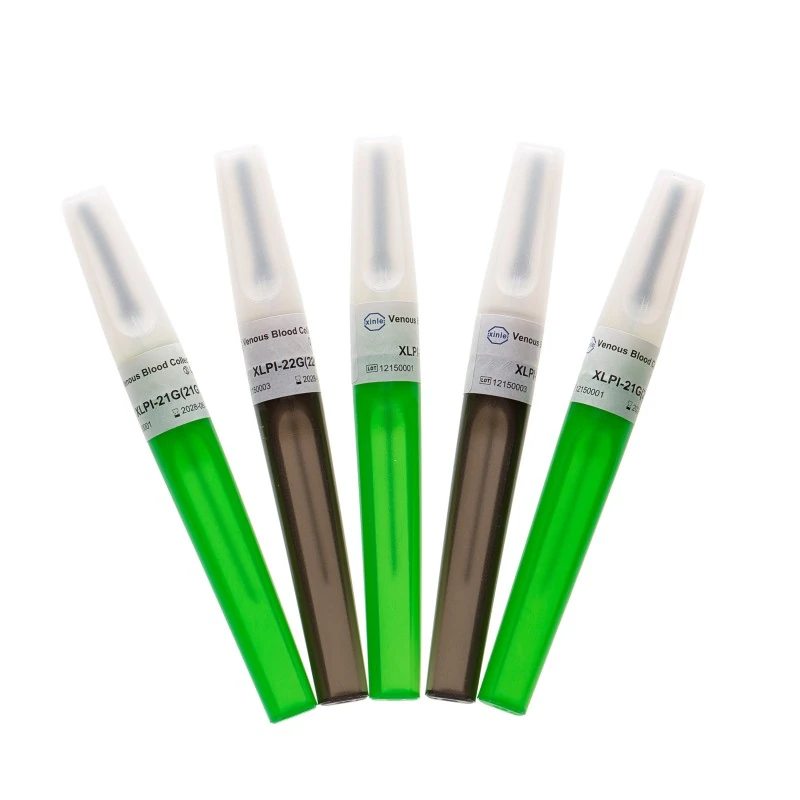
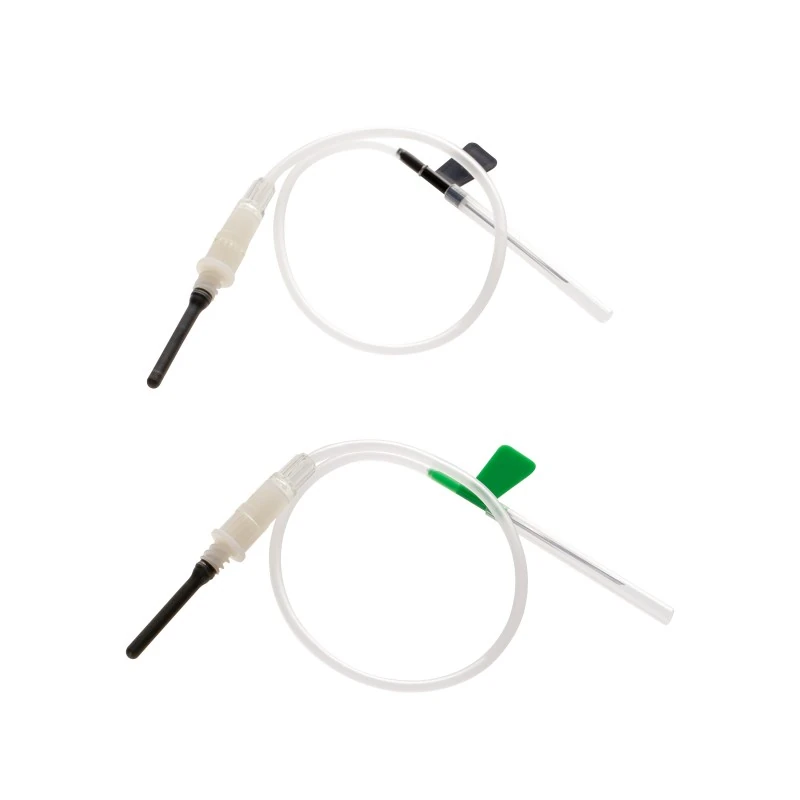
Multi-Sample Blood Collection Needles (Pen Needles)
View Details

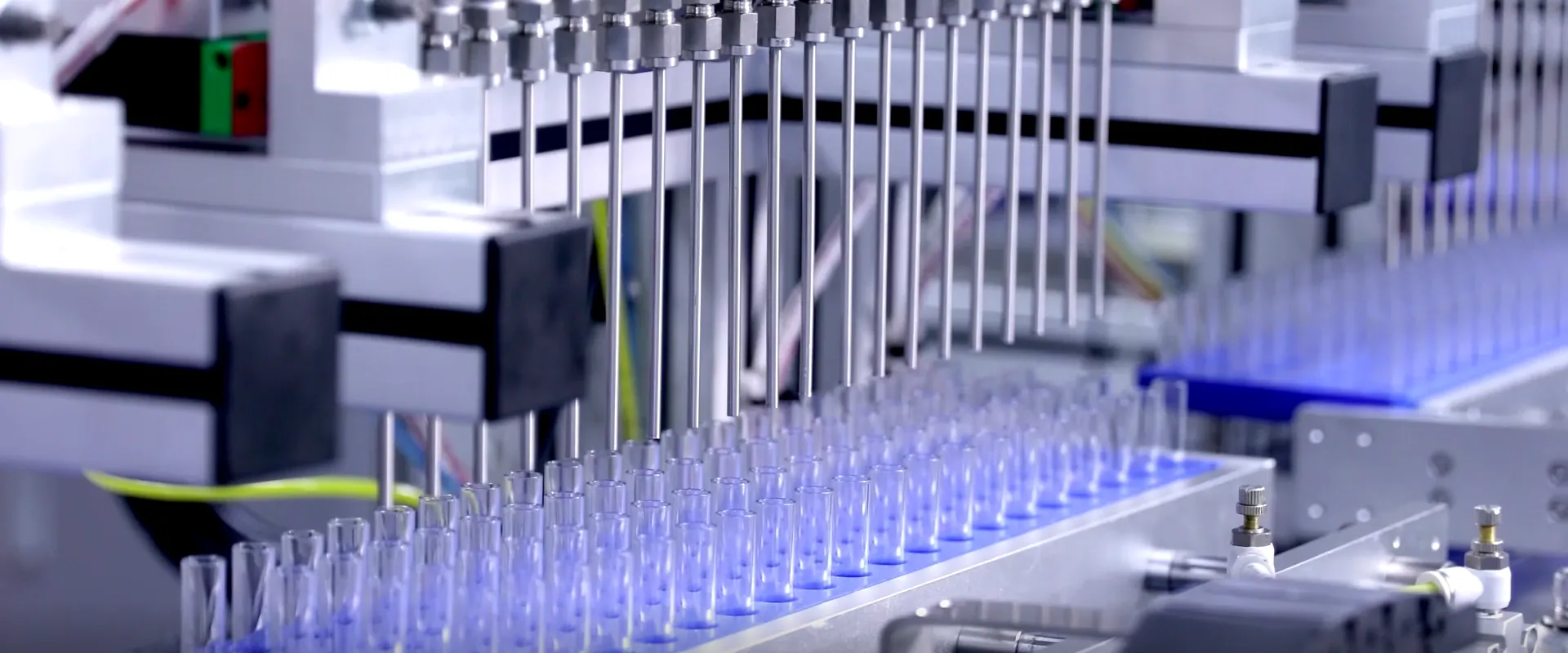
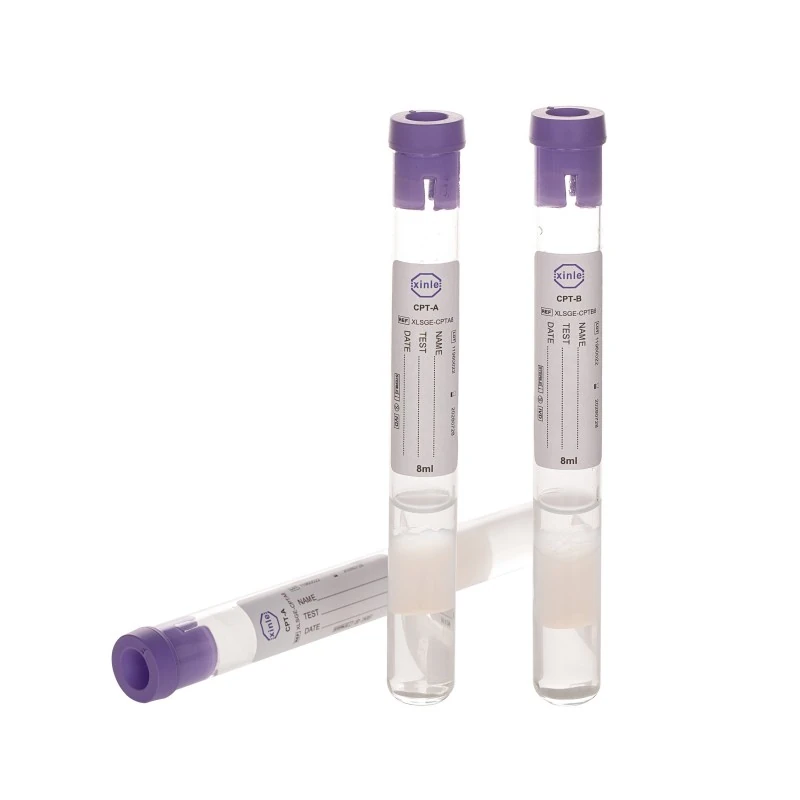
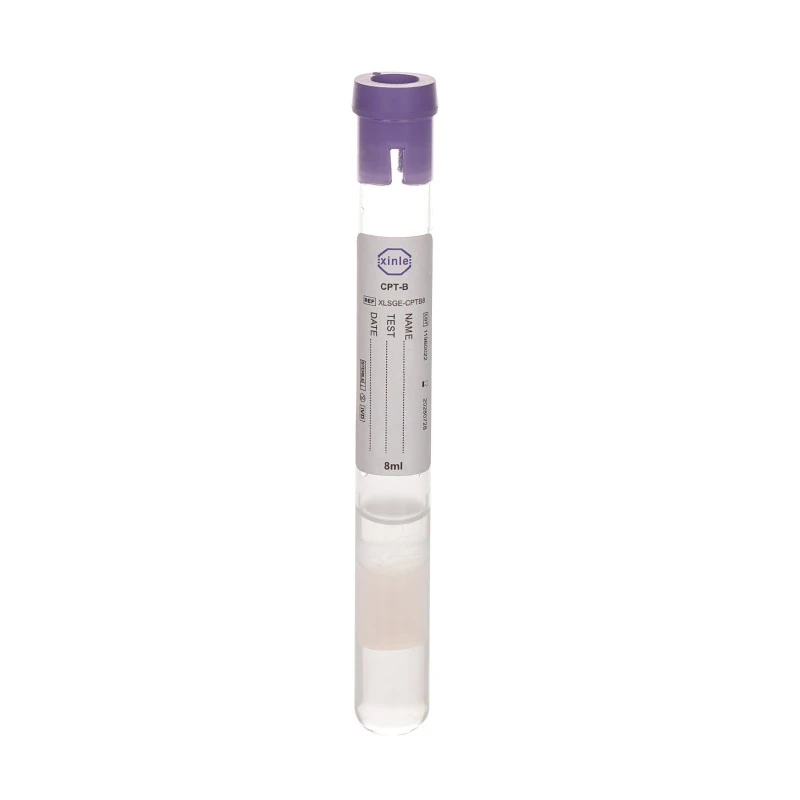
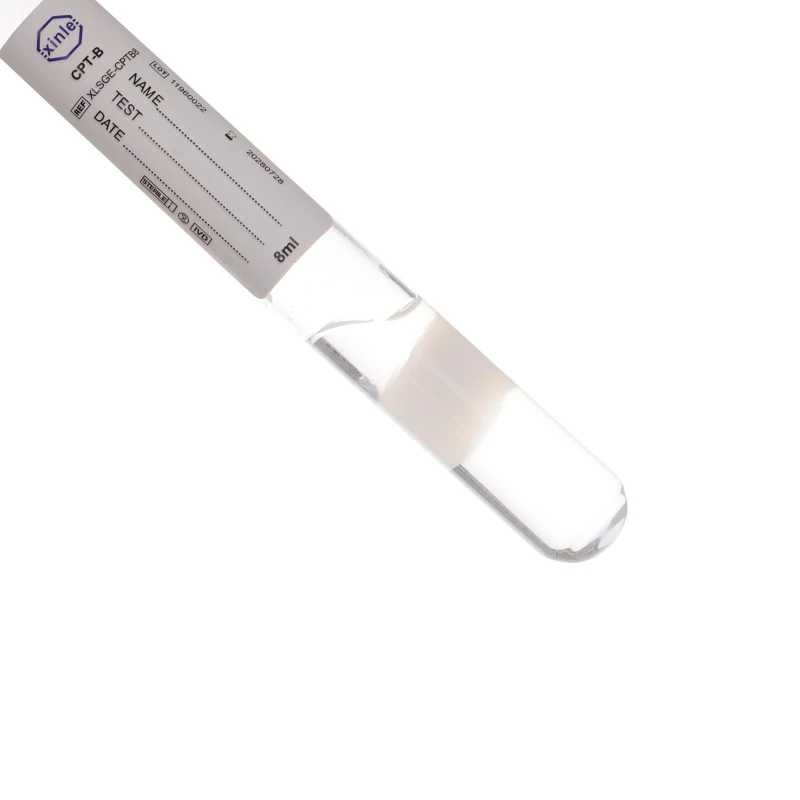
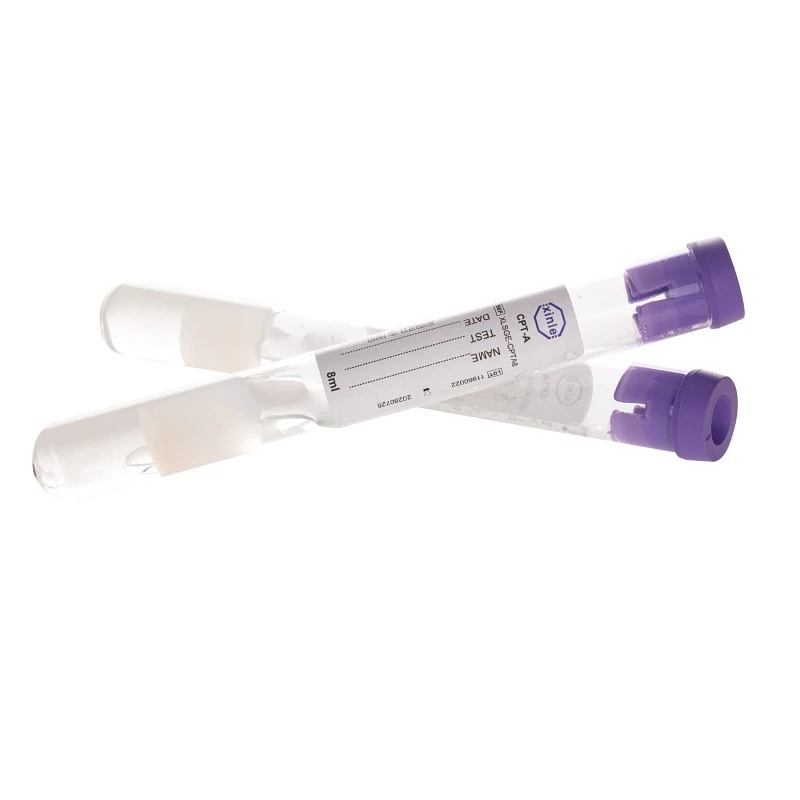
Manufactured under strict ISO 13485 quality management systems and certified as a China NMPA Class II Medical Device, XINLE CPT Tubes (Cell Preparation Tubes) revolutionize peripheral blood mononuclear cell (PBMC) separation.
Traditional manual Ficoll density gradient separation requires complex, open-tube multi-step pipetting, highly experienced technicians, and prolonged processing times. Our CPT tubes integrate whole blood collection, density gradient layering, and sterile cell separation into a single, direct-draw closed system. Upon a single centrifugation step, an inert polyester gel barrier moves to separate mononuclear cells and plasma from denser erythrocytes and granulocytes, ensuring consistent, sterile, and reproducible PBMC isolation across multi-center clinical trials.
Regulatory Notice: NMPA Class II Certified Medical Device for Clinical Immunology & Cell Therapy Research.
Isolated PBMCs are widely utilized across immunology, oncology, cell therapy, and molecular diagnostics:
| PRODUCT/MATERIAL | Tube Size | Volume | Additive | Shelf Life | PACKAGING (INNER BOX / CARTON) |
| CPT-A(Glass) | 13×100mm | 4ml | Liquid density medium+Gel+Sodium Citrate | 12 months | 50pcs/600pcs |
| CPT-A(Glass) | 16×125mm | 8ml | Liquid density medium+Gel+Sodium Citrate | 12 months | 50pcs/600pcs |
| CPT-B(Glass) | 16×125mm | 8ml | Liquid density medium+Gel+Sodium Heparin | 12 months | 50pcs/600pcs |
Certification: China NMPA Class II Medical Device Certified.
Follow this standardized operational protocol for optimal mononuclear cell separation:
A: Gently invert the tube 8–10 times immediately after collection to ensure thorough mixing of whole blood with the pre-loaded anticoagulant. Tubes should be stored vertically at room temperature (18–25°C), and centrifugation is recommended within 2 hours of blood collection for optimal separation results.
A: The recommended centrifugation parameters are 1500–1800 × g for 20 minutes at room temperature (18–25°C) using a swinging-bucket rotor with slow or no braking.
A: CPT-A uses Sodium Citrate as the anticoagulant, which is preferred for molecular assays, HLA typing, and general cell biology. CPT-B uses Sodium Heparin as the anticoagulant, which is widely utilized in specific immunological and functional cellular assays. Both models contain the identical liquid density medium and inert gel barrier.
A: To maintain optimal cell viability, natural phenotypic expression, and RNA integrity, downstream sample processing or cryogenic preservation is recommended to be completed within 48 hours. Studies demonstrate that delayed processing significantly impacts cell viability and surface marker integrity.
View Details
View Details
View Details
View Details