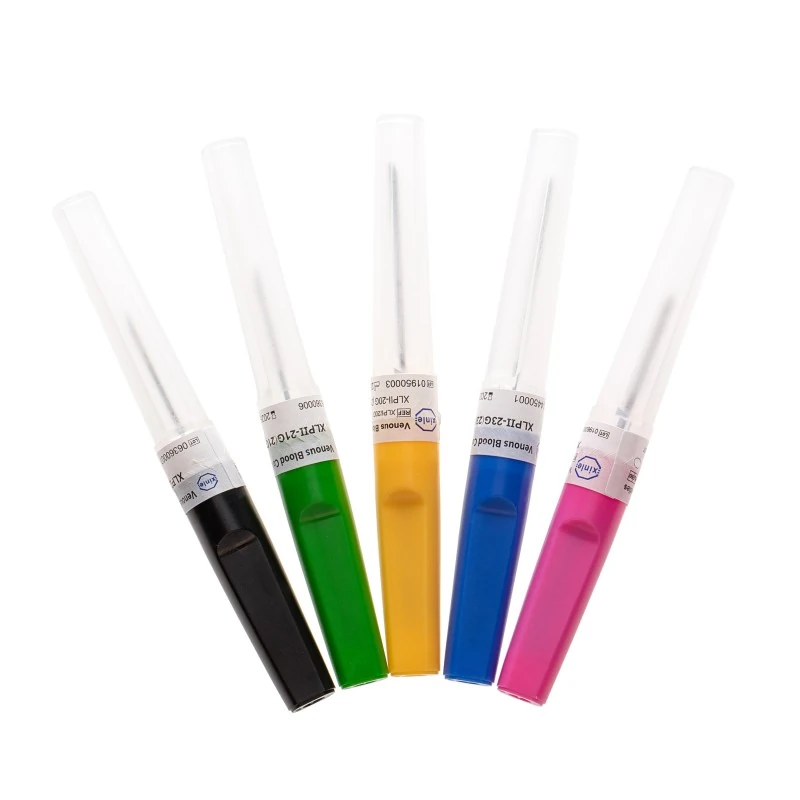
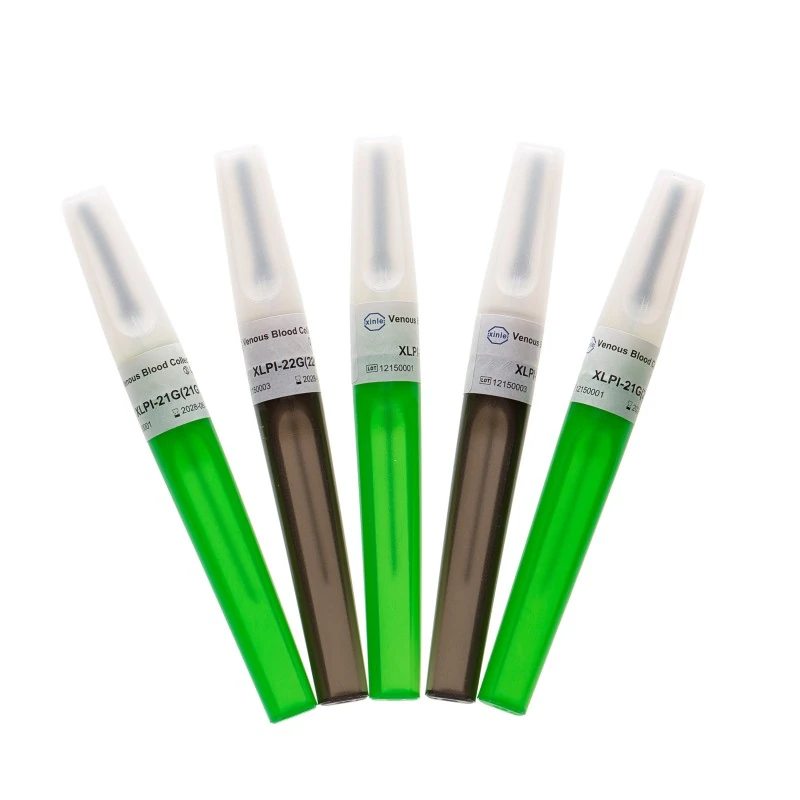
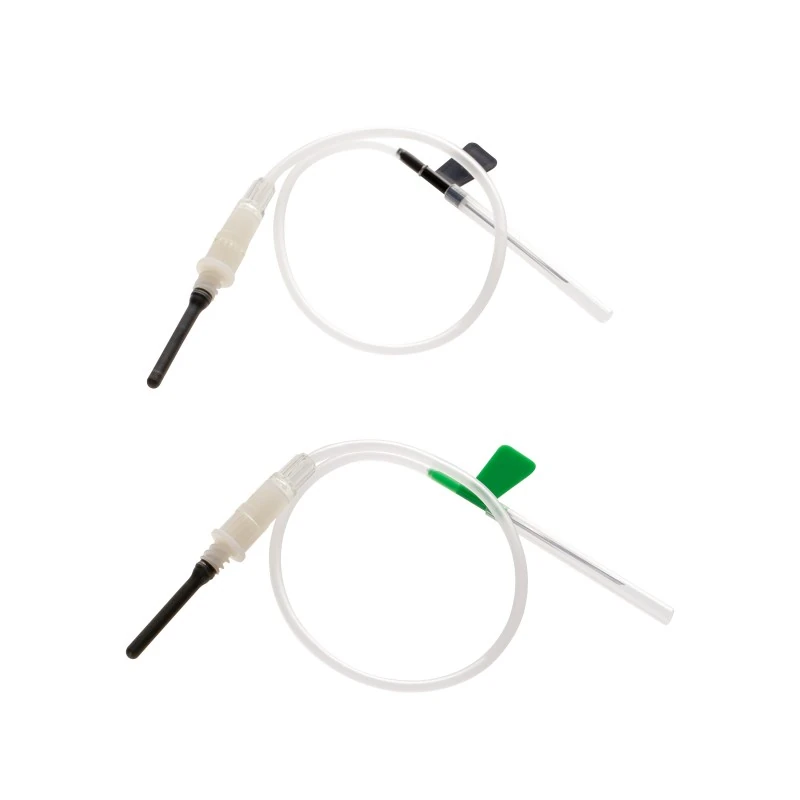
Multi-Sample Blood Collection Needles (Pen Needles)
View Details

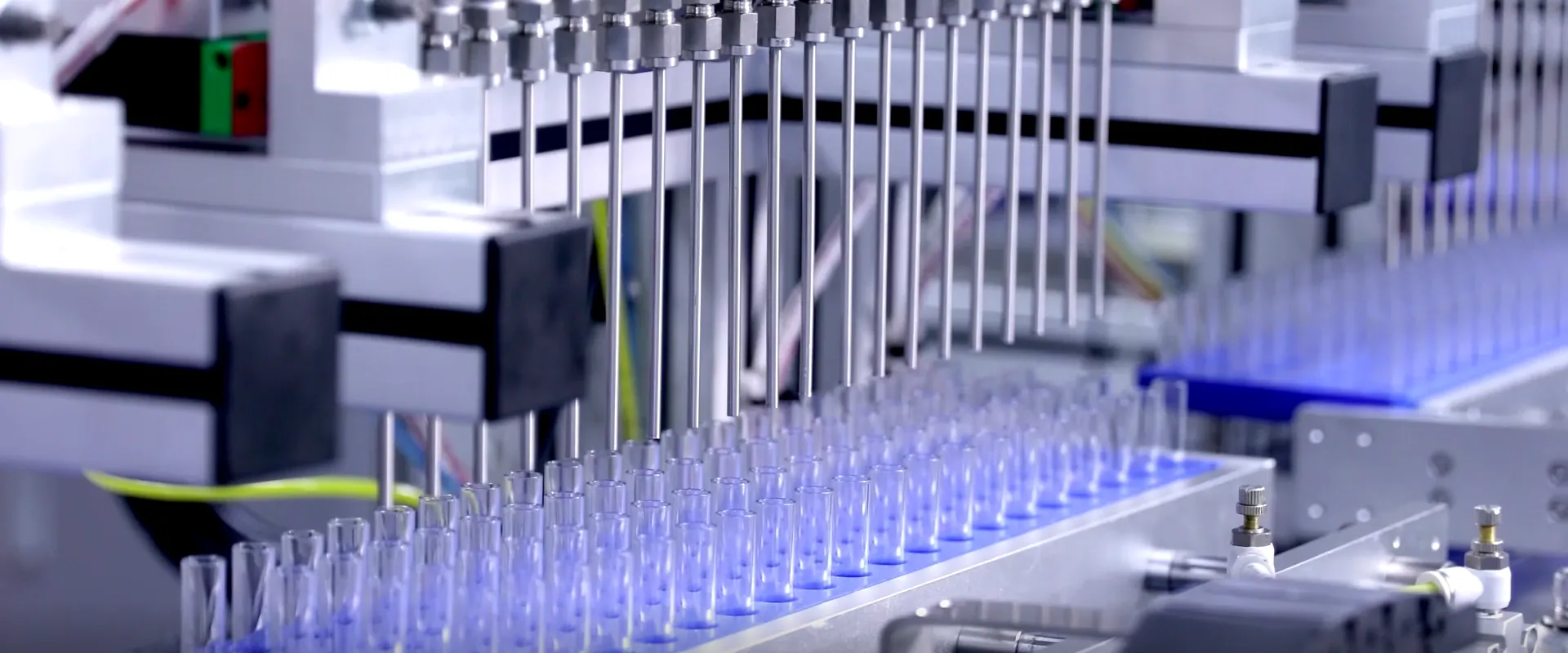
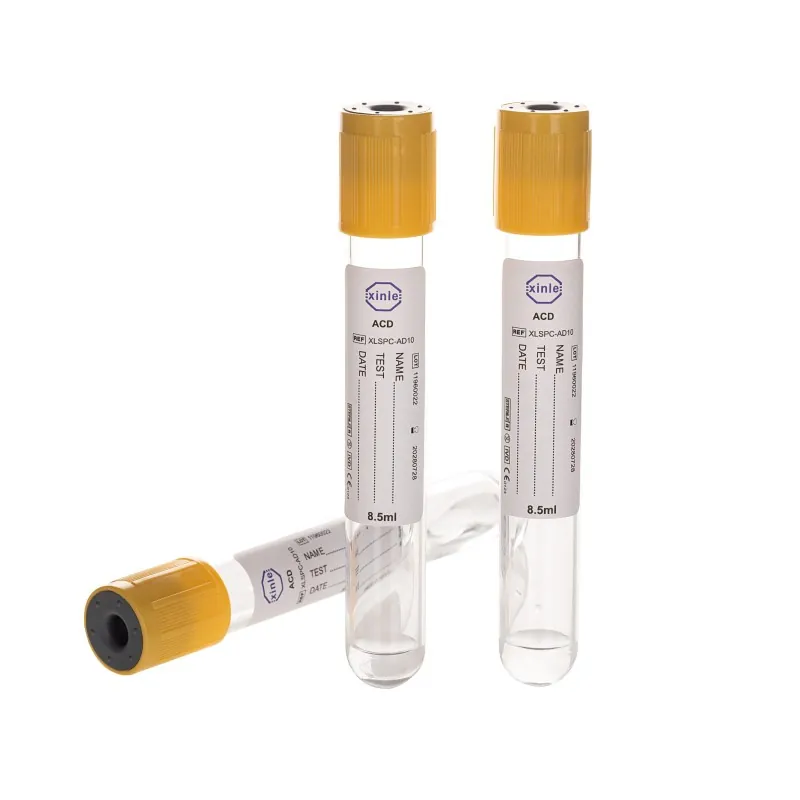
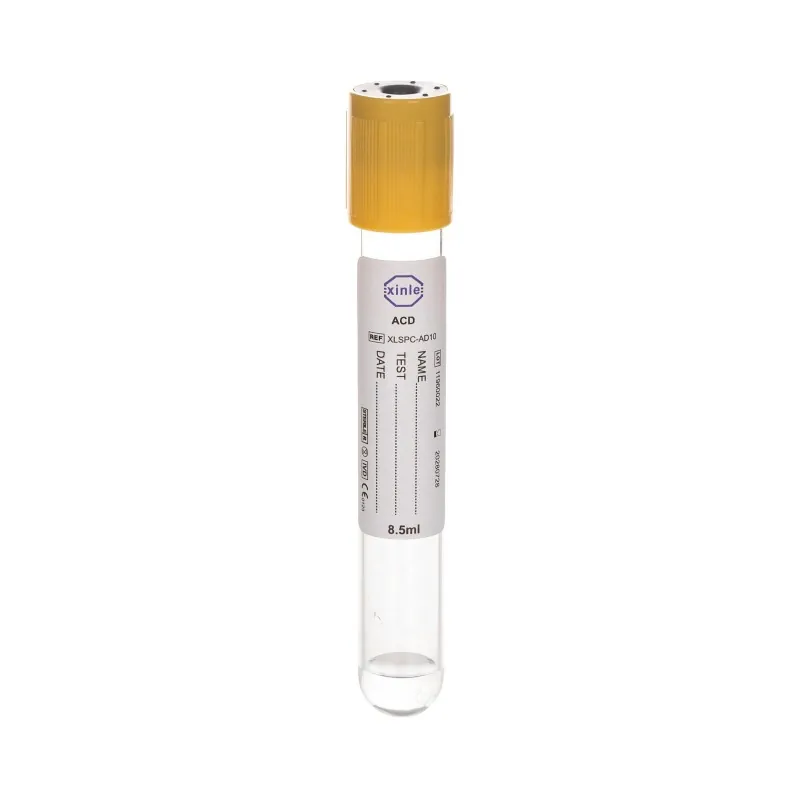
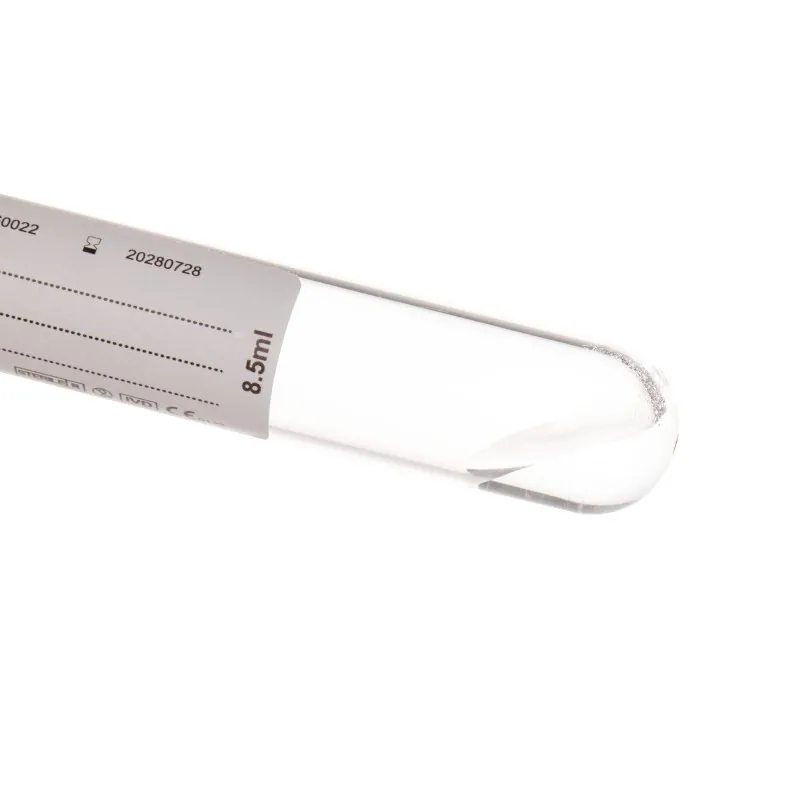
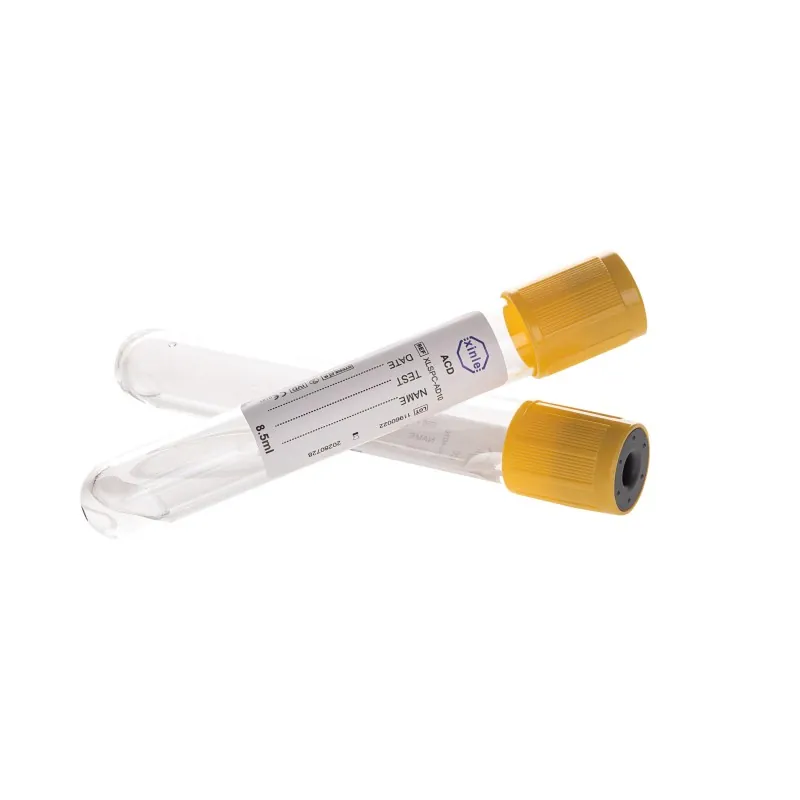
Manufactured in ISO 13485-compliant cleanrooms and bearing CE mark, XINLE ACD Blood Collection Tubes provide a highly sterile, pyrogen-free, and standardized closed system for the collection, preservation, and transport of whole blood specimens.
The proprietary Acid Citrate Dextrose formulation offers dual functionality: the citrate acts as an effective chelating agent to prevent blood coagulation, while the dextrose (glucose) fuels cellular metabolism. This mechanism ensures maximum cell viability and high-molecular-weight DNA integrity, supporting extended sample preservation at 2–8°C for up to 21 days before downstream pre-analytical processing.
ACD tubes are primarily utilized for specialized testing requiring viable blood cells and intact DNA:
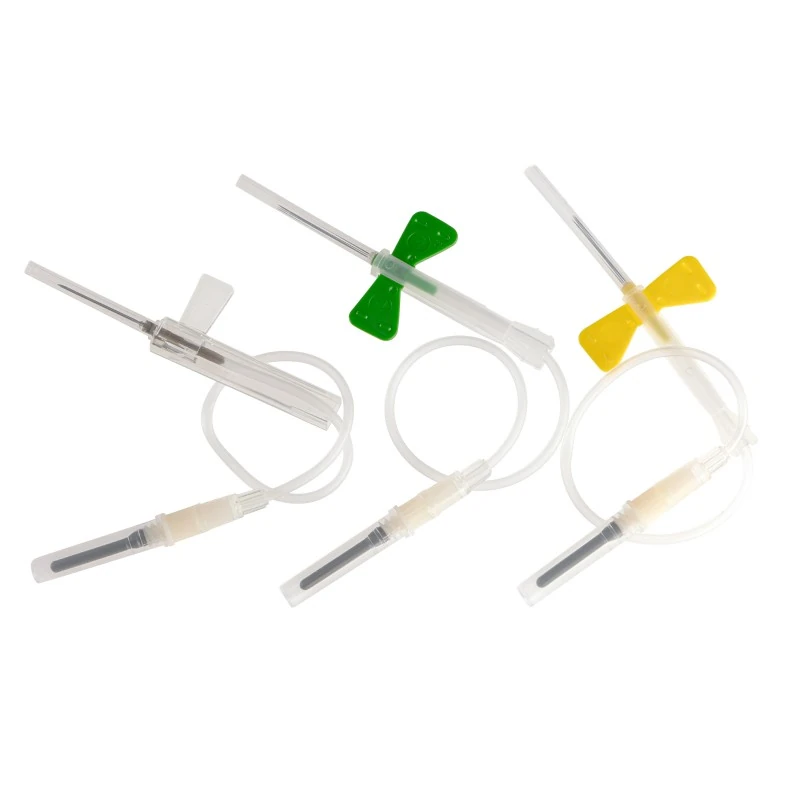
Note: This product is designed to be used in conjunction with standard disposable venous blood collection needles.
| PRODUCT/MATERIAL | Tube Size | Volume | Additive | Cap Color | Shelf Life | PACKAGING (INNERBOX / CARTON) |
| ACD Tube(PET) | 13×100mm | 5ml | ACD | Yellow | 12 months | 100pcs/1800pcs |
| ACD Tube(PET) | 16×100mm | 8/8.5ml | ACD | Yellow | 12 months | 100pcs/1200pcs |
A: Yellow cap, which is the internationally recognized color code for ACD tubes.
A: Immediately invert gently 5–8 times after blood collection. Avoid vigorous shaking to prevent mechanical hemolysis of the red blood cells.
A: The unused tubes should be stored at 4–25°C. The shelf life is 12 months (refer to the specification sheet). Always check package integrity and the expiration date before use. (Note: Once the blood sample is collected, the specimen can be preserved at 2–8°C for up to 21 days).
A: Yes. Because ACD is a liquid anticoagulant, the tube must be filled to the designated mark to maintain the proper blood-to-additive ratio, otherwise, test results may be adversely affected.
A: Yes, removing the stopper alters the pH and may affect specific test results (e.g., Ca²⁺, ACP). Keeping the tube sealed also reduces the risks of external contamination and sample evaporation.
A: The specimen should ideally be delivered to the laboratory within 2 hours. During transit, avoid direct light, extreme temperatures, shaking, and hemolysis to ensure optimal sample quality.
View Details
View Details
View Details
View Details