Page Banner

EDTA Blood Collection Tubes (K2 / K3 EDTA)

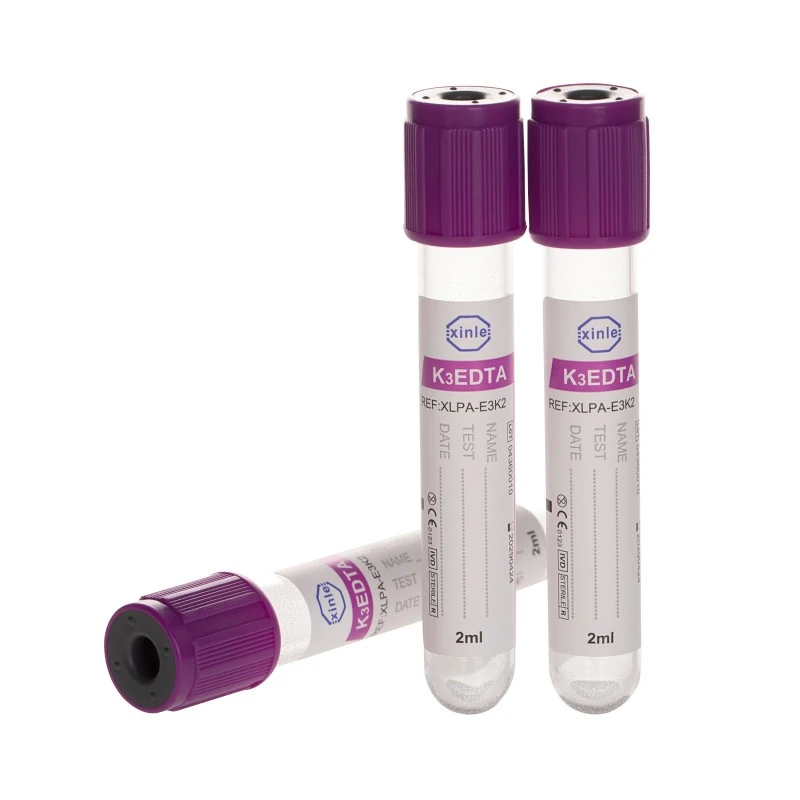
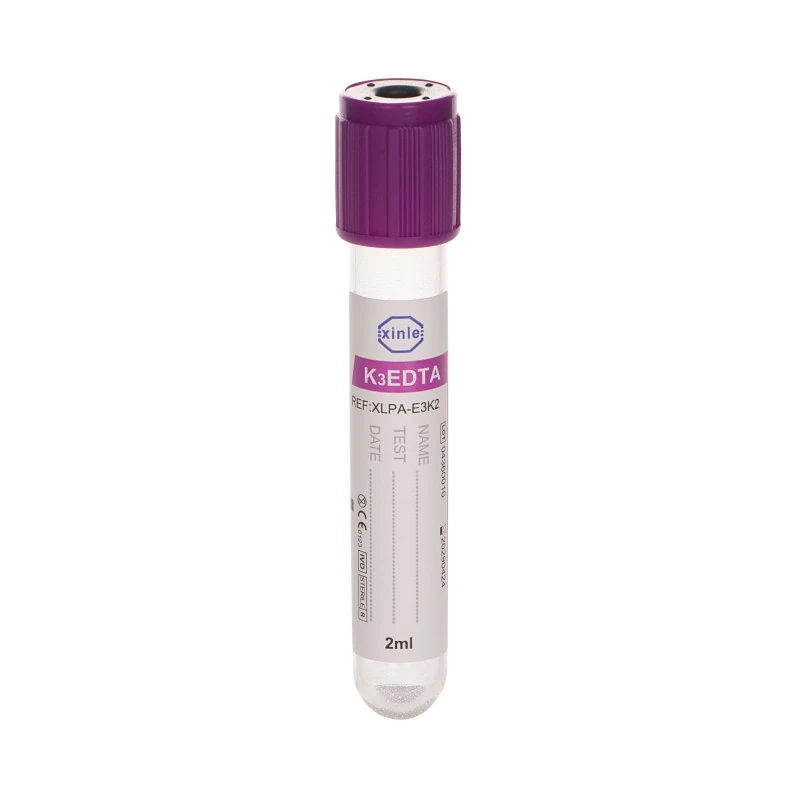
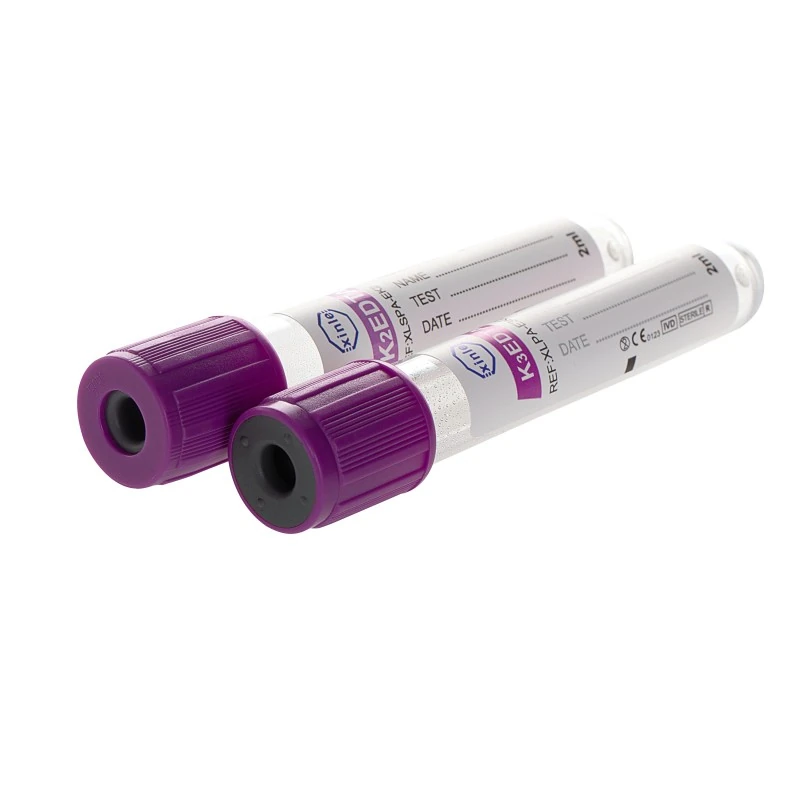
XINLE EDTA Tubes are designed for the collection and preservation of whole blood or plasma samples. EDTA acts as an anticoagulant by chelating calcium ions, helping prevent blood coagulation and maintain the integrity of blood cells for subsequent laboratory analysis.
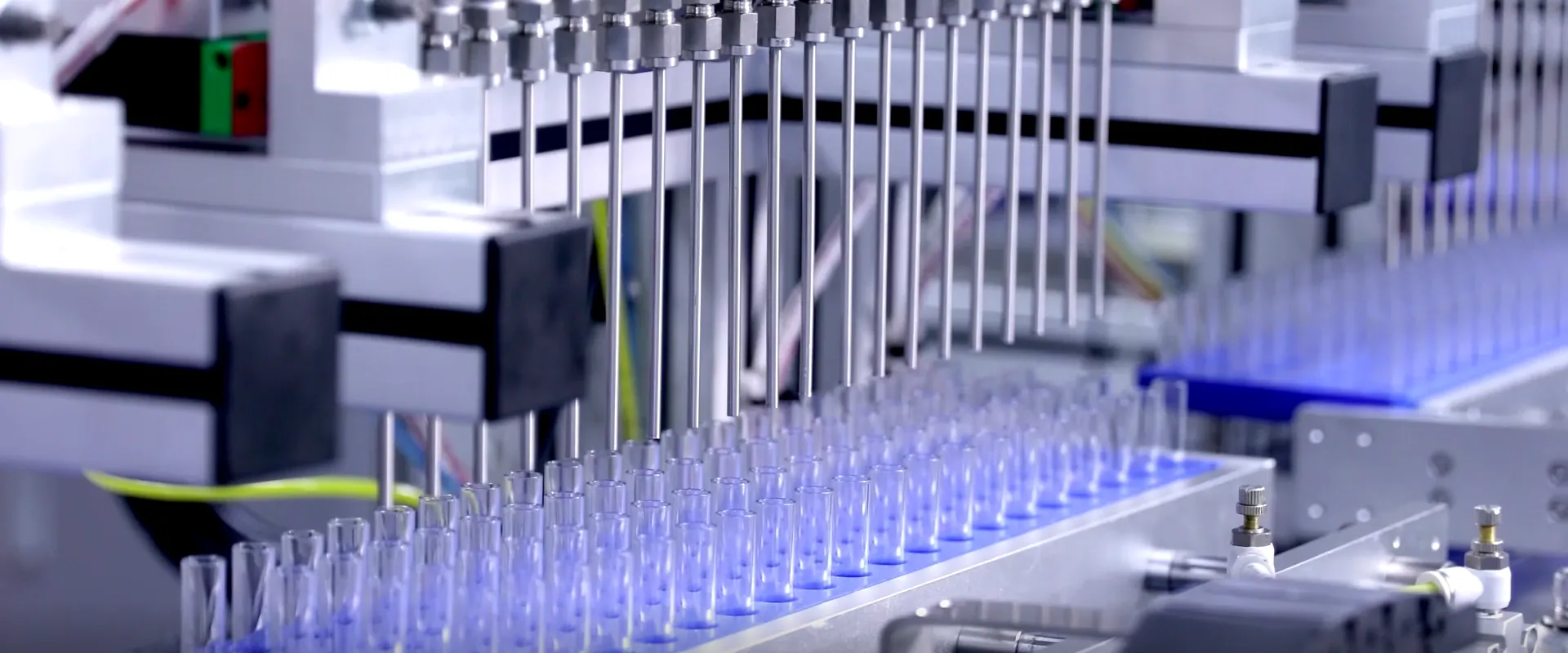
XINLE EDTA Tubes feature controlled anticoagulant concentration and uniform coating to promote consistent blood-anticoagulant interaction, reliable sample preservation, and reproducible testing performance. Available in different sizes, draw volumes, and configurations to meet diverse clinical laboratory requirements.

Features

  • How it works: EDTA-K2/K3 acts as a chelating agent to tightly bind calcium ions (Ca²⁺) in blood.
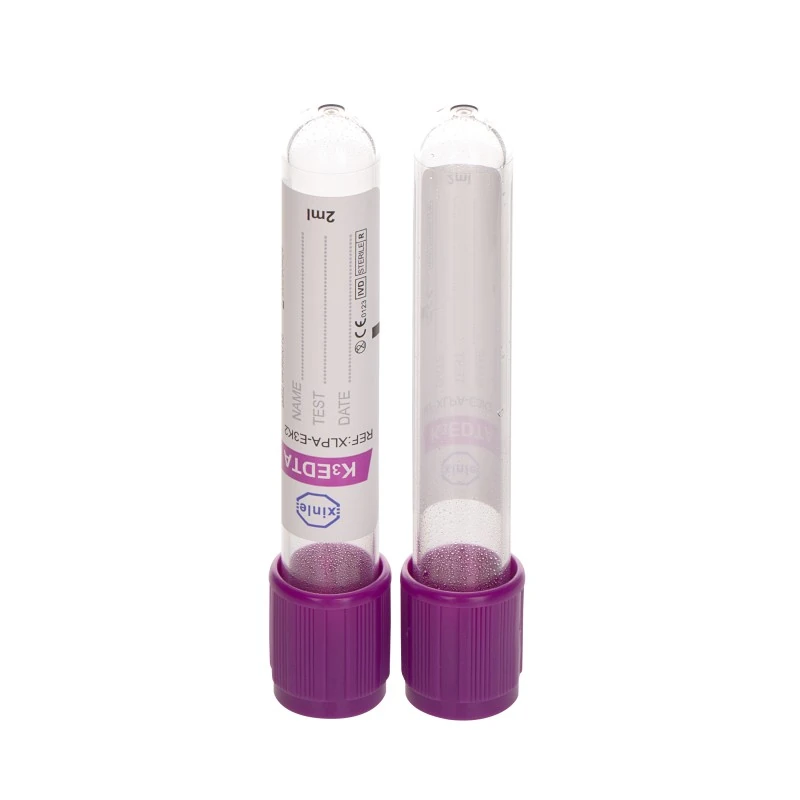
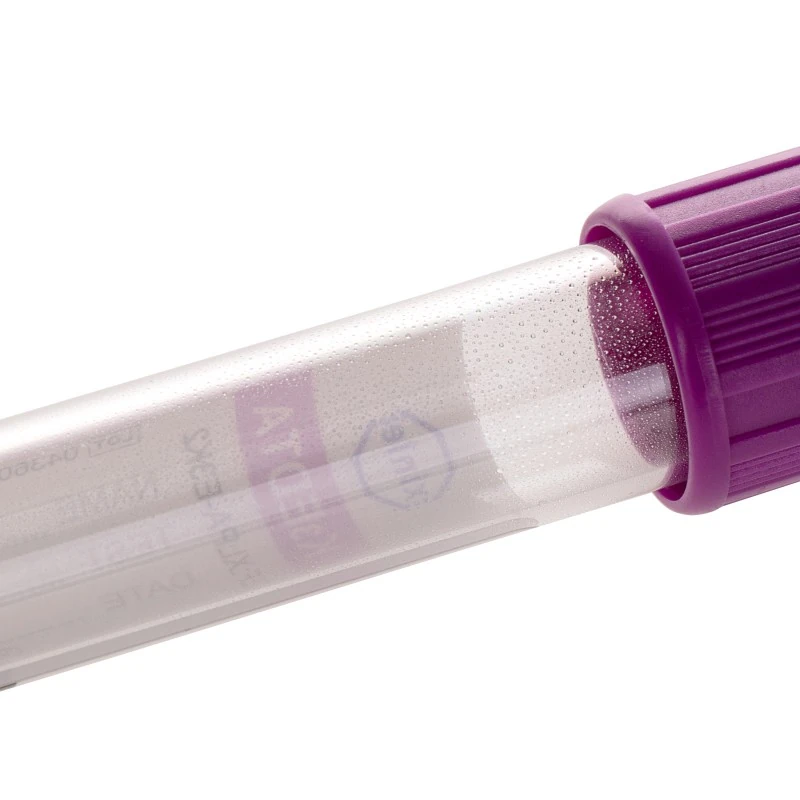
  • Additive filling: The EDTA is sprayed on the inner wall of the tube. It will help the blood and EDTA additive to mix thoroughly.
  • Mixing recommendation: immediately after blood collection, gently invert the samples 6-8 times

Product Specifications

ProductCap ColorMaterialSizeVolume
EDTA tube
K2EDTA tube
K3EDTA tube
PurplePET/GLASS13x75mm  1ml,2ml,3ml,4ml  
PET/GLASS13x100mm  5ml,6ml  
PET/GLASS16x100mm  7ml,8ml,9ml,10ml  

Application

EDTA tubes are mainly applied to clinical hematology tests including routine blood analysis and blood grouping.

Blood routine Tests:

  • Complete Blood Count (CBC): Red Blood Cell Count (RBC), Hemoglobin (Hb/HGB), Hematocrit (HCT), Mean Corpuscular Volume (MCV)

Hematology Tests:

  • Red Blood Cell Folate: Quantitative determination of folate (vitamin B9) concentration within red blood cells.
  • Blood Group Typing: ABO blood grouping, Rh blood grouping
  • Antibody Screening: Irregular antibody screening, etc.
  • Glycated Hemoglobin (HbA1c): Used to monitor long-term glycemic control in diabetic patients.

Why this product is chosen?

Generally, K2 or K3 Potassium Salt of EDTA is used as an anticoagulant. There are no functional differences between the two additives. Selection is recommended in accordance with regional clinical practices or hospital requirements.

Frequently Asked Questions

A: K2EDTA or K3EDTA potassium salts are commonly used as anticoagulants in EDTA tubes. Both provide effective anticoagulation when properly formulated and used according to the requirements of the intended test. However, their specific effects on certain parameters may vary depending on the test methodology and laboratory requirements.

A: EDTA and Heparin both exert anticoagulant effects via distinct mechanisms, yet they differ markedly in targets, applicable assays and impacts on samples. EDTA blocks coagulation pathways by chelating calcium ions in blood, whereas heparin inhibits thrombin and coagulation factors by potentiating antithrombin activity. EDTA is primarily used for hematological tests, including red and white blood cell counting, hemoglobin measurement and blood typing. Heparin is applied in clinical chemistry assays for cholesterol, CRP, hormones and other analytes. EDTA is recommended for PCR tests, as heparin interferes with PCR.

Explore Portfolio

Related Consumables & Needles

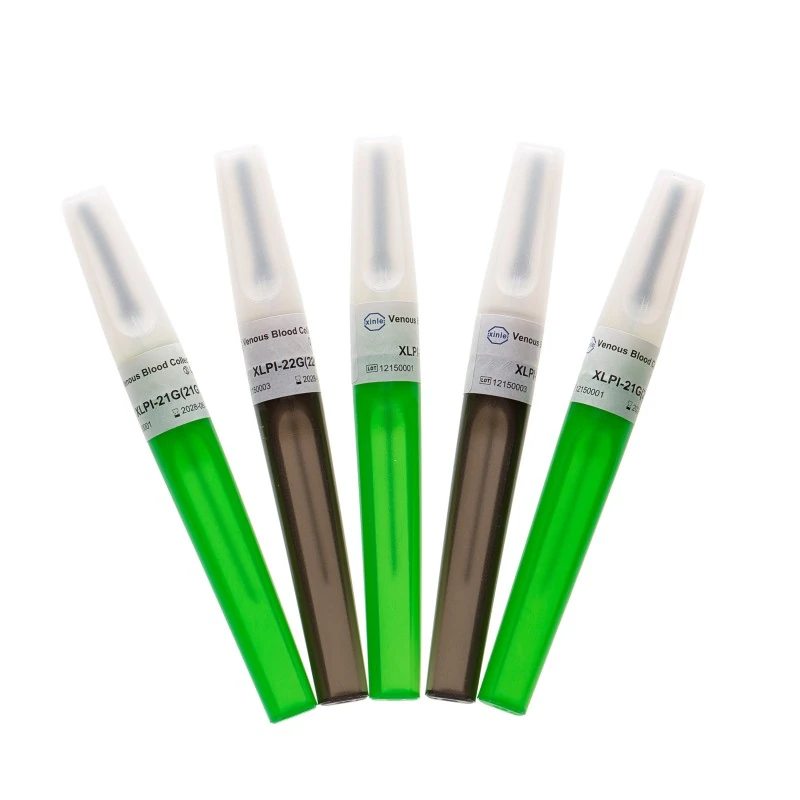
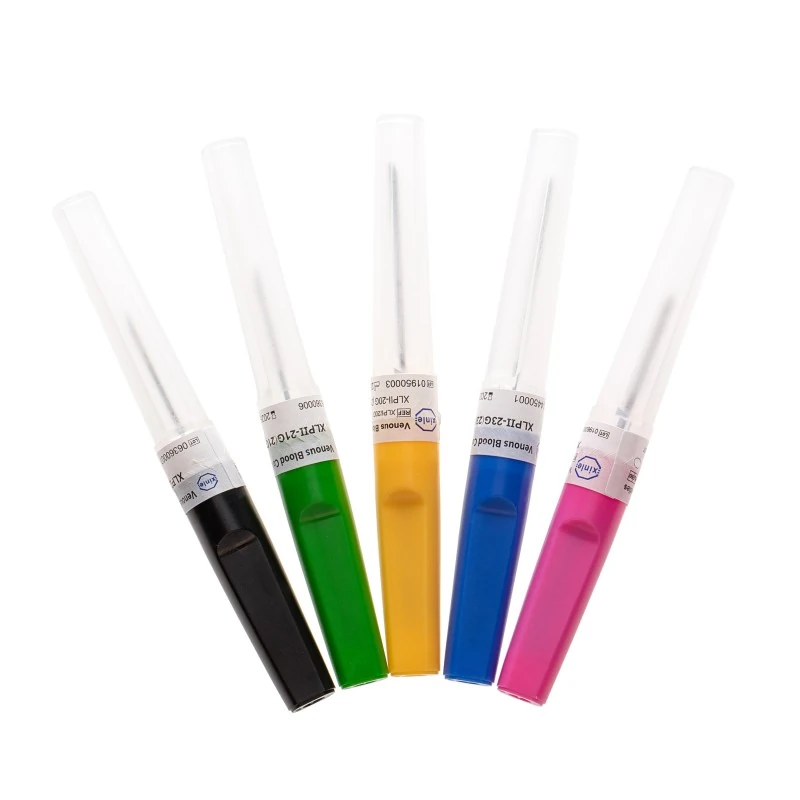
Multi-Sample Blood Collection Needles (Pen Needles)

Multi-Sample Blood Collection Needles (Pen Needles)

View Details

Flashback Blood Collection Needles (Flashback Chamber Needles)

Flashback Blood Collection Needles (Flashback Chamber Needles)

View Details
Safety Butterfly Blood Collection Needles (Retractable blood collection needles)

Safety Butterfly Blood Collection Needles (Retractable blood collection needles)

View Details
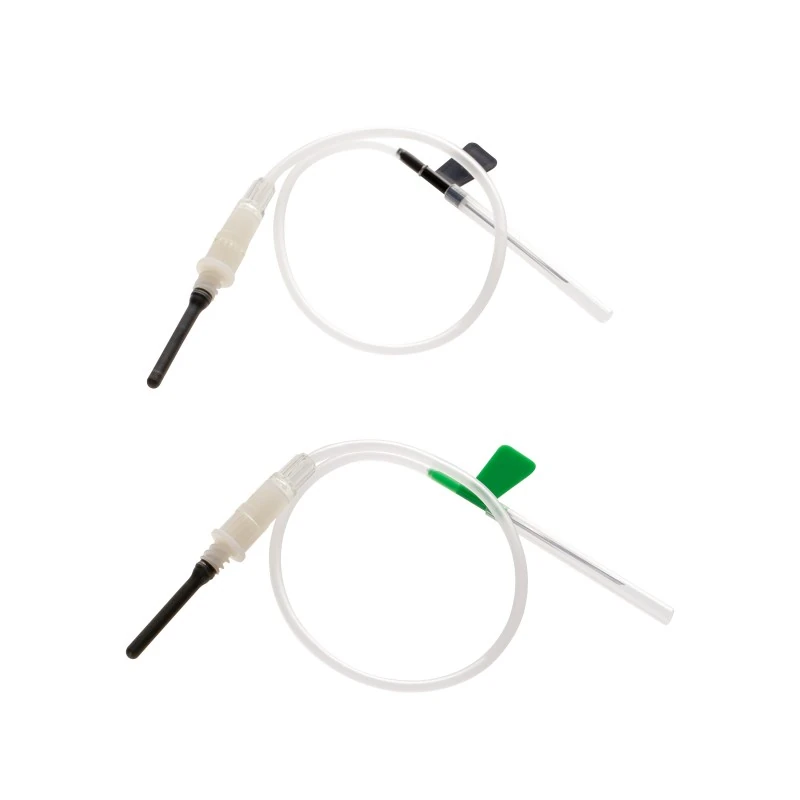
butterfly blood collection needles (venous winged sets)

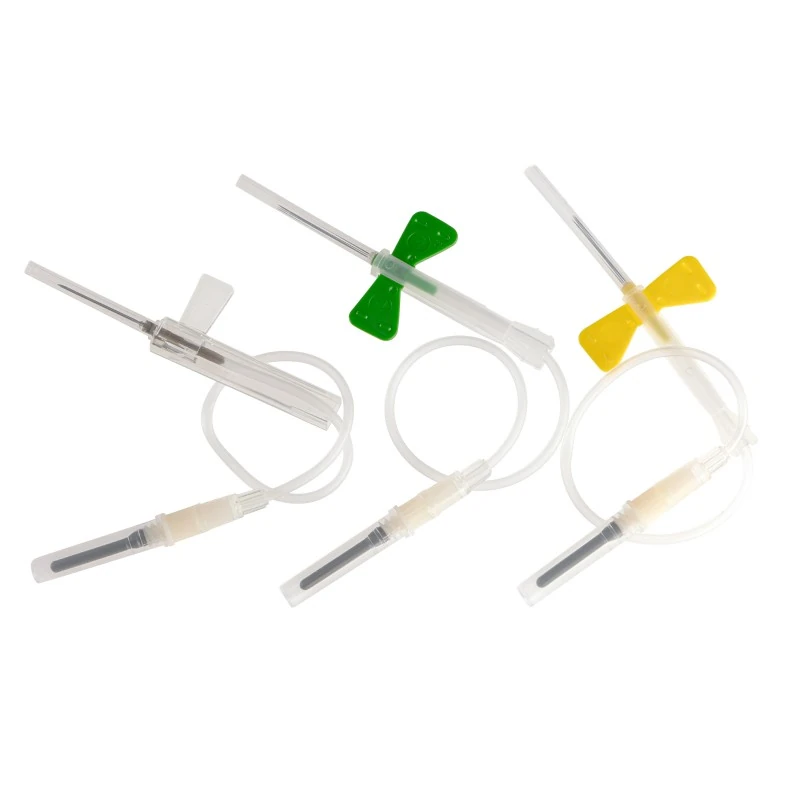
Butterfly Blood Collection Needles (Soft-link blood collection needles)

View Details
QUICK ACCESS