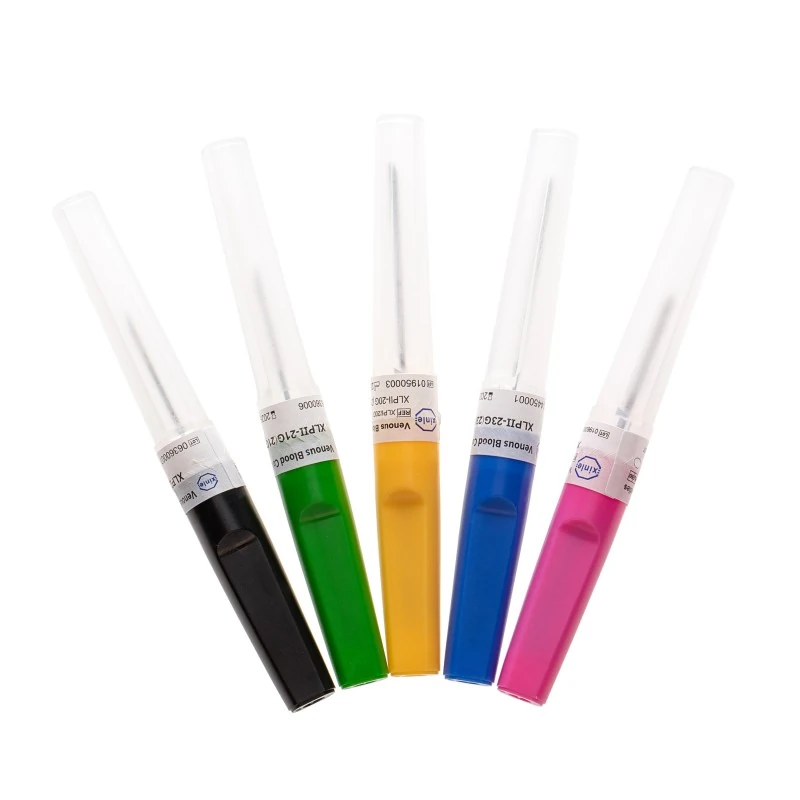
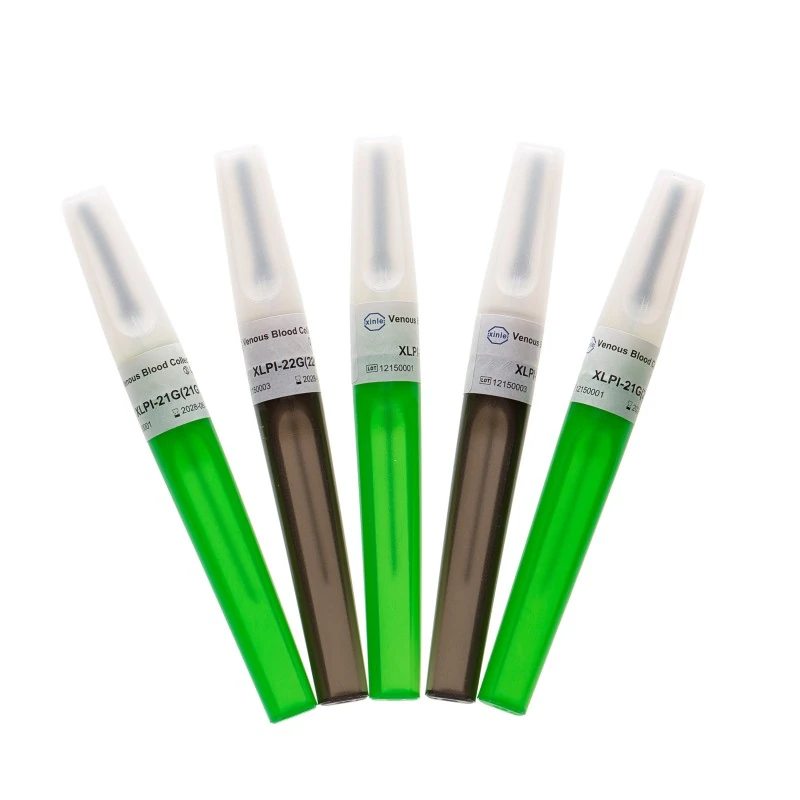
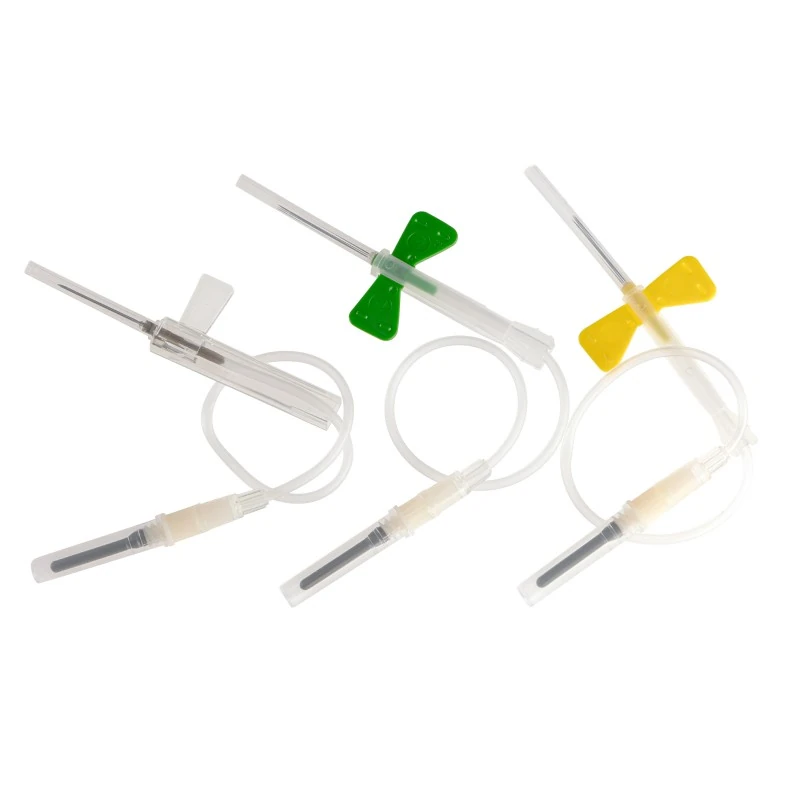
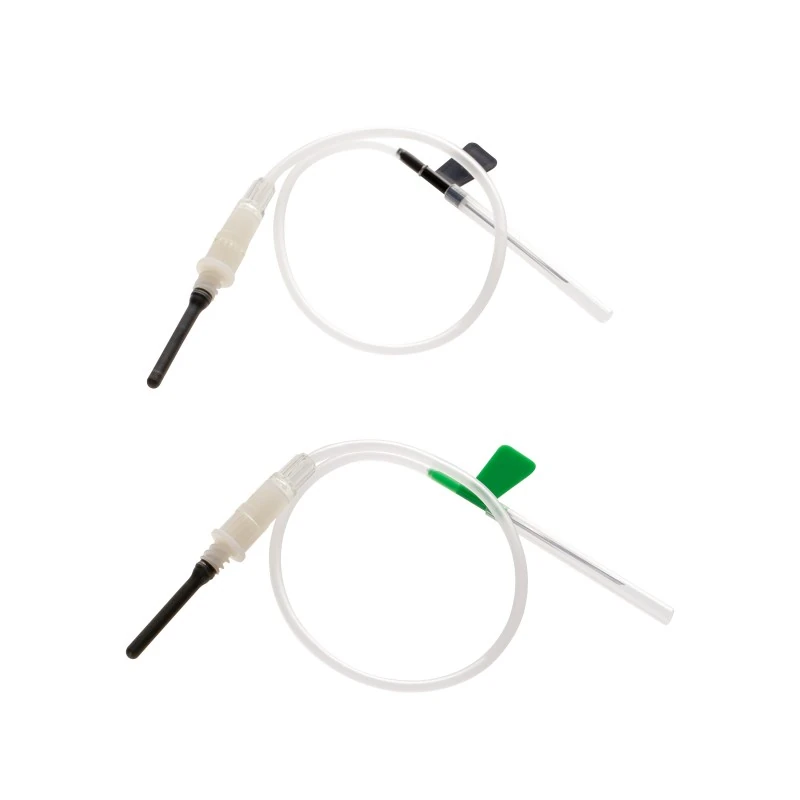
Multi-Sample Blood Collection Needles (Pen Needles)
View Details

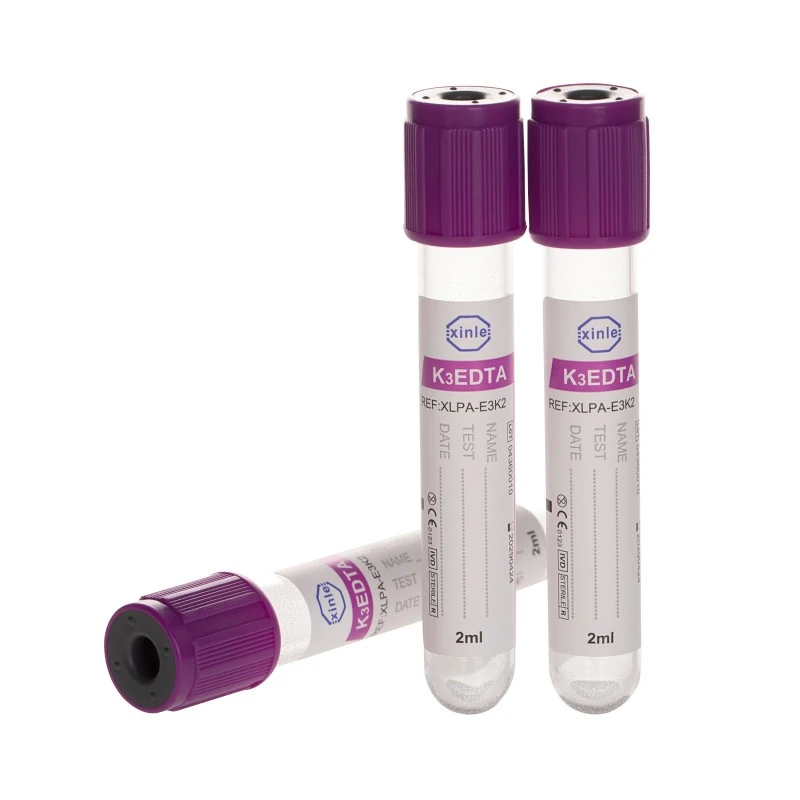
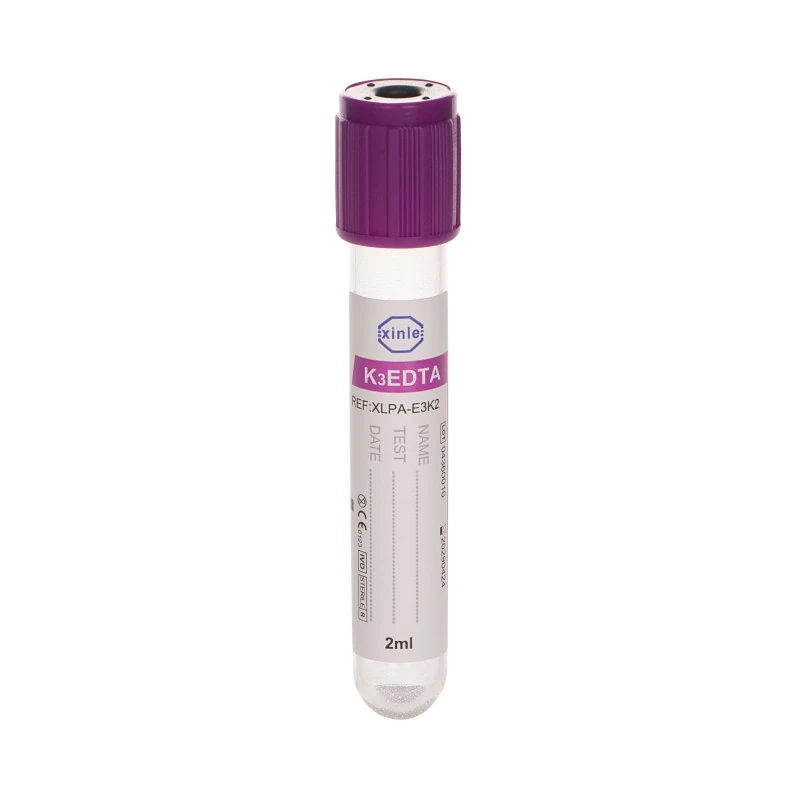
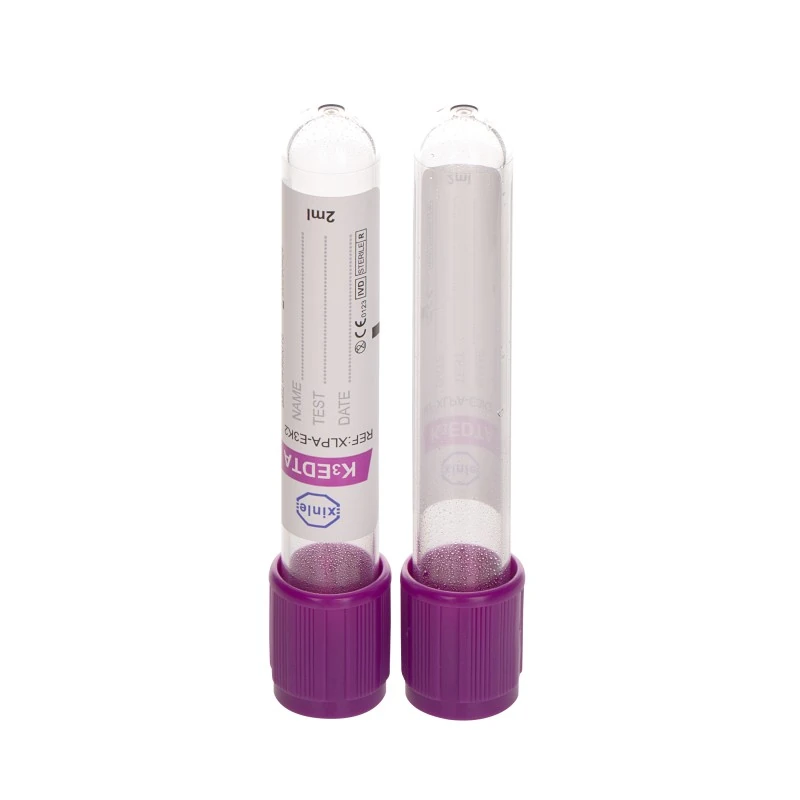
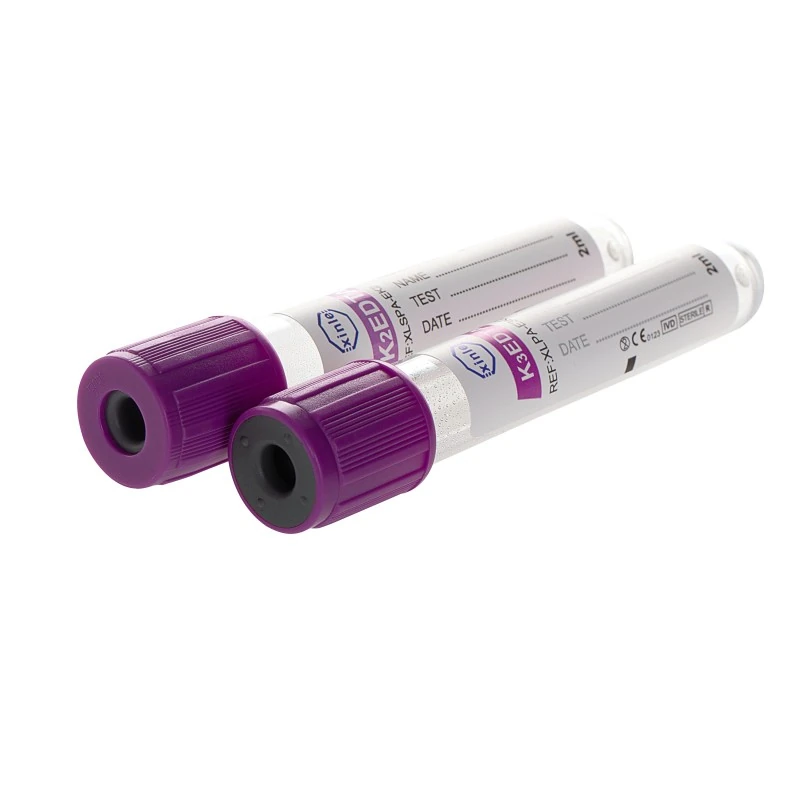
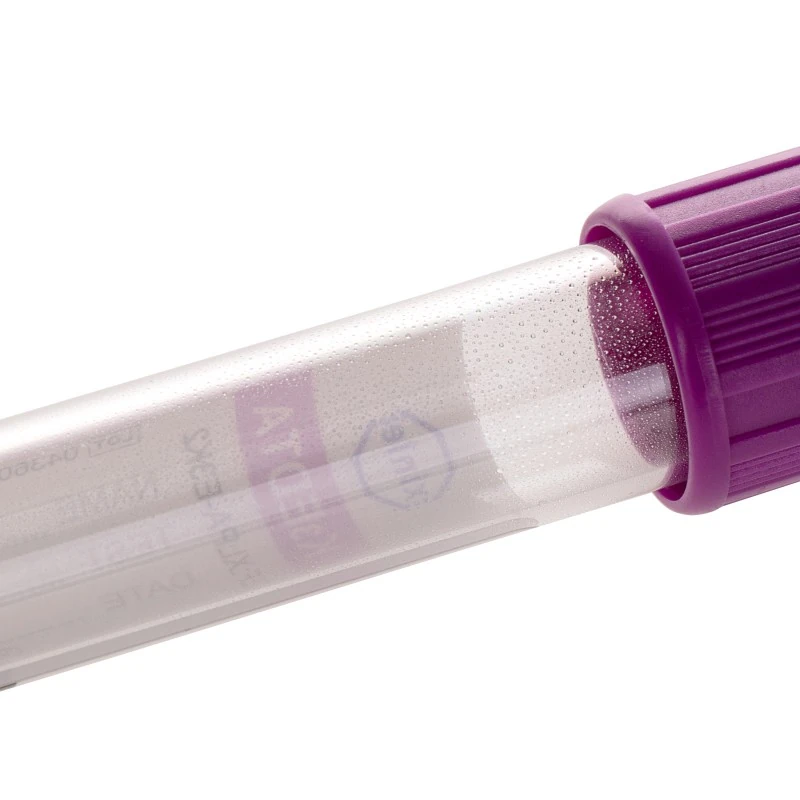
| Product | Cap Color | Material | Size | Volume |
| EDTA tube K2EDTA tube K3EDTA tube | Purple | PET/GLASS | 13x75mm | 1ml,2ml,3ml,4ml |
| PET/GLASS | 13x100mm | 5ml,6ml | ||
| PET/GLASS | 16x100mm | 7ml,8ml,9ml,10ml |
EDTA tubes are mainly applied to clinical hematology tests including routine blood analysis and blood grouping.
Blood routine Tests:
Hematology Tests:
Generally, K2 or K3 Potassium Salt of EDTA is used as an anticoagulant. There are no functional differences between the two additives. Selection is recommended in accordance with regional clinical practices or hospital requirements.
A: K2EDTA or K3EDTA potassium salts are commonly used as anticoagulants in EDTA tubes. Both provide effective anticoagulation when properly formulated and used according to the requirements of the intended test. However, their specific effects on certain parameters may vary depending on the test methodology and laboratory requirements.
A: EDTA and Heparin both exert anticoagulant effects via distinct mechanisms, yet they differ markedly in targets, applicable assays and impacts on samples. EDTA blocks coagulation pathways by chelating calcium ions in blood, whereas heparin inhibits thrombin and coagulation factors by potentiating antithrombin activity. EDTA is primarily used for hematological tests, including red and white blood cell counting, hemoglobin measurement and blood typing. Heparin is applied in clinical chemistry assays for cholesterol, CRP, hormones and other analytes. EDTA is recommended for PCR tests, as heparin interferes with PCR.
View Details
View Details
View Details
View Details