Page Banner

CPT Tubes / PBMC Isolation Tubes (Cell Preparation Tubes)

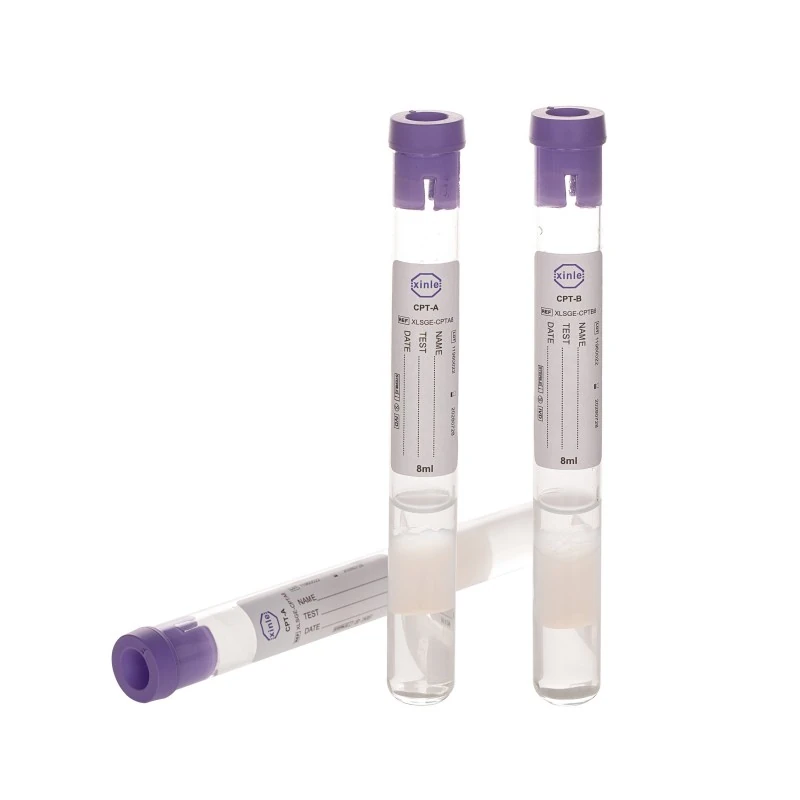
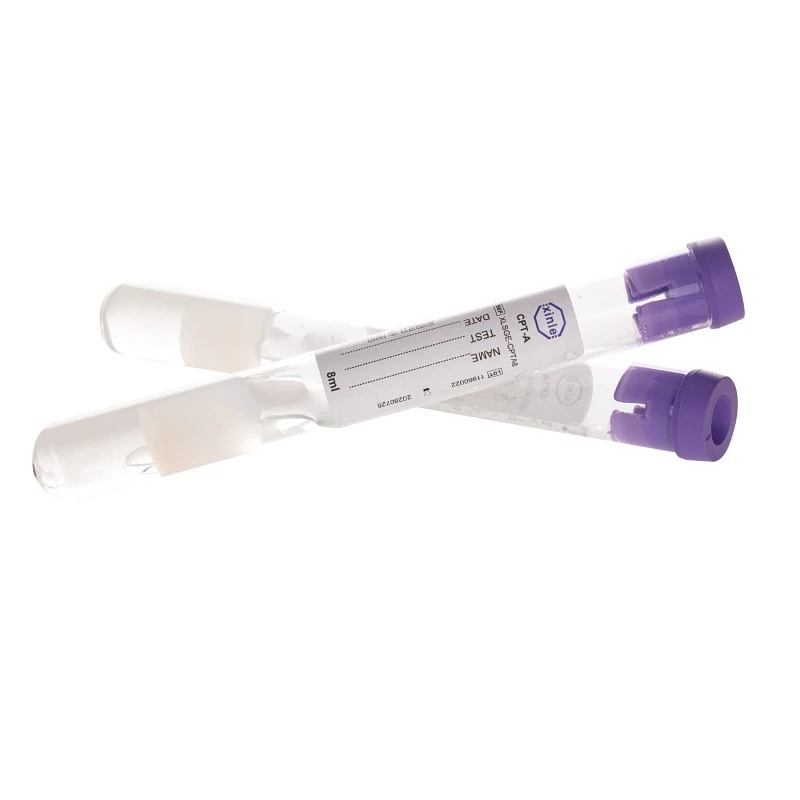
XINLE CPT Tubes (Cell Preparation Tubes / PBMC Isolation Tubes) are sterile, closed-system evacuated blood collection tubes specially designed for the rapid, one-step isolation of peripheral blood mononuclear cells (PBMCs) from whole blood. Pre-loaded with liquid density gradient medium (Ficoll) and an inert gel barrier, these tubes achieve a PBMC recovery rate of ≥82%, purity of ≥98%, and cell viability of ≥99% in a single 20-minute centrifugation step for immune cell therapy (CAR-T, NK), HLA typing, and flow cytometry.

Product Overview

Manufactured under strict ISO 13485 quality management systems and certified as a China NMPA Class II Medical Device, XINLE CPT Tubes (Cell Preparation Tubes) revolutionize peripheral blood mononuclear cell (PBMC) separation.

Traditional manual Ficoll density gradient separation requires complex, open-tube multi-step pipetting, highly experienced technicians, and prolonged processing times. Our CPT tubes integrate whole blood collection, density gradient layering, and sterile cell separation into a single, direct-draw closed system. Upon a single centrifugation step, an inert polyester gel barrier moves to separate mononuclear cells and plasma from denser erythrocytes and granulocytes, ensuring consistent, sterile, and reproducible PBMC isolation across multi-center clinical trials.

Regulatory Notice: NMPA Class II Certified Medical Device for Clinical Immunology & Cell Therapy Research.

Key Features & Biological Advantages

  • One-Step Centrifugation Isolation: Directly isolates high-purity PBMCs in a single 20-minute centrifugation step, eliminating tedious manual Ficoll layering and reducing hands-on preparation time by over 70%.
  • Superior Cell Viability & Recovery: Optimized density gradient medium delivers a PBMC recovery rate ≥82%, cell purity ≥98%, and cell viability ≥99%, perfectly preserving natural cell surface markers and biological functions.
  • Closed Sterile System: Blood collection, cell separation, and temporary storage occur in the original closed tube, eliminating sample exposure and minimizing cross-contamination and biohazard risks.
  • Flexible 24-Hour Room Temperature Holding: Whole blood specimens can be maintained upright in the tube at room temperature (18–25°C) for up to 24 hours prior to centrifugation, providing unmatched flexibility for clinical trial logistics.
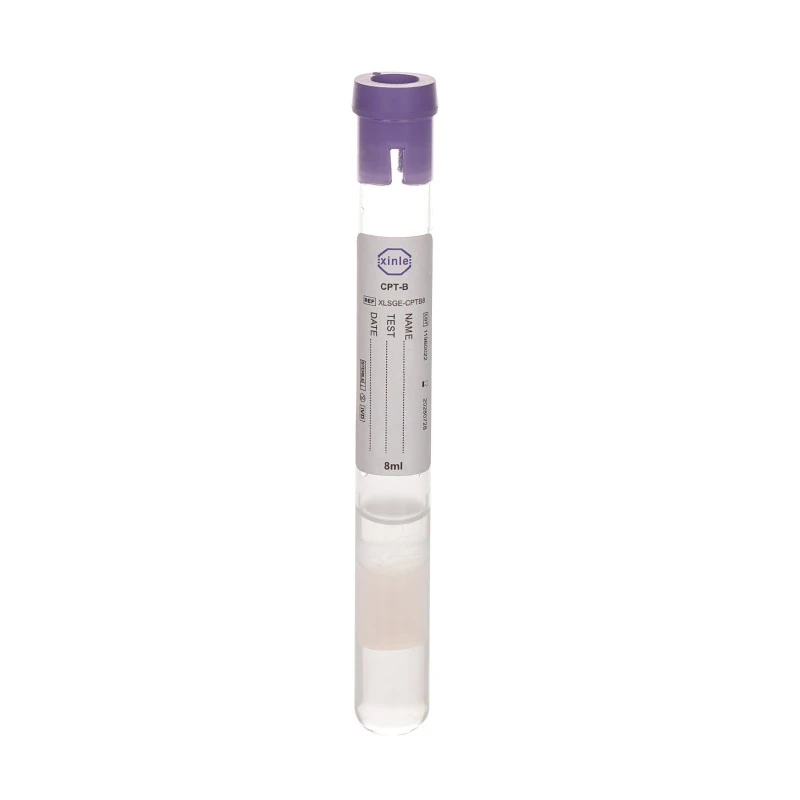
  • Dual Anticoagulant Formulations: Available in CPT-A (Sodium Citrate) and CPT-B (Sodium Heparin) to match specific downstream diagnostic and cellular assay requirements.
  • Standardized & Traceable Quality: Eliminates technician-to-technician variability, ensuring reproducible cell yields essential for clinical immunology and biobanking.

Clinical & Cellular Therapy Applications

Isolated PBMCs are widely utilized across immunology, oncology, cell therapy, and molecular diagnostics:

  • Immune Cell Therapy Manufacturing: Providing high-viability starting cell sources (T cells, NK cells, monocytes) for CAR-T, TCR-T, and autologous NK cell immunotherapies.
  • HLA Tissue Typing: Donor-recipient Human Leukocyte Antigen (HLA) typing and cross-matching in solid organ and bone marrow transplantation.
  • Minimal Residual Disease (MRD) Testing: Residual leukemia gene detection and post-treatment recurrence monitoring.
  • Flow Cytometry & Immunophenotyping: High-resolution lymphocyte subset profiling (CD3, CD4, CD8, CD19, CD56) and immune status evaluation.
  • Cytokine Release & Vaccine Assays: Antigen-specific immune response evaluation, cytokine secretion assays, and vaccine efficacy research.
  • Functional Cellular Assays: Primary cell culture, proliferation assays, and gene-expression studies.

Product Specifications & Packaging

PRODUCT/MATERIALTube SizeVolumeAdditiveShelf LifePACKAGING (INNER BOX / CARTON)
CPT-A(Glass)13×100mm4mlLiquid density medium+Gel+Sodium Citrate12 months50pcs/600pcs
CPT-A(Glass)16×125mm8mlLiquid density medium+Gel+Sodium Citrate12 months50pcs/600pcs
CPT-B(Glass)16×125mm8mlLiquid density medium+Gel+Sodium Heparin12 months50pcs/600pcs

Certification: China NMPA Class II Medical Device Certified.

Operation Guide: Centrifugation & Harvesting Protocol

Follow this standardized operational protocol for optimal mononuclear cell separation:

  1. Blood Draw: Perform routine venipuncture using a standard venous needle. Fill the CPT tube completely to its designated draw volume (4 mL or 8 mL).
  2. Immediate Inversion: Gently invert the tube 8 to 10 times immediately after blood draw to thoroughly mix whole blood with the anticoagulant and density gradient medium.
  3. Pre-Centrifugation Holding: Store the tube vertically upright at room temperature (18–25°C). Centrifugation within 2 hours of collection is recommended for optimal separation yield.
  4. Centrifugation Parameters: Centrifuge at 1500–1800 × g for 20 minutes at 18–25°C in a swinging-bucket rotor centrifuge with the brake off or set to slow deceleration.
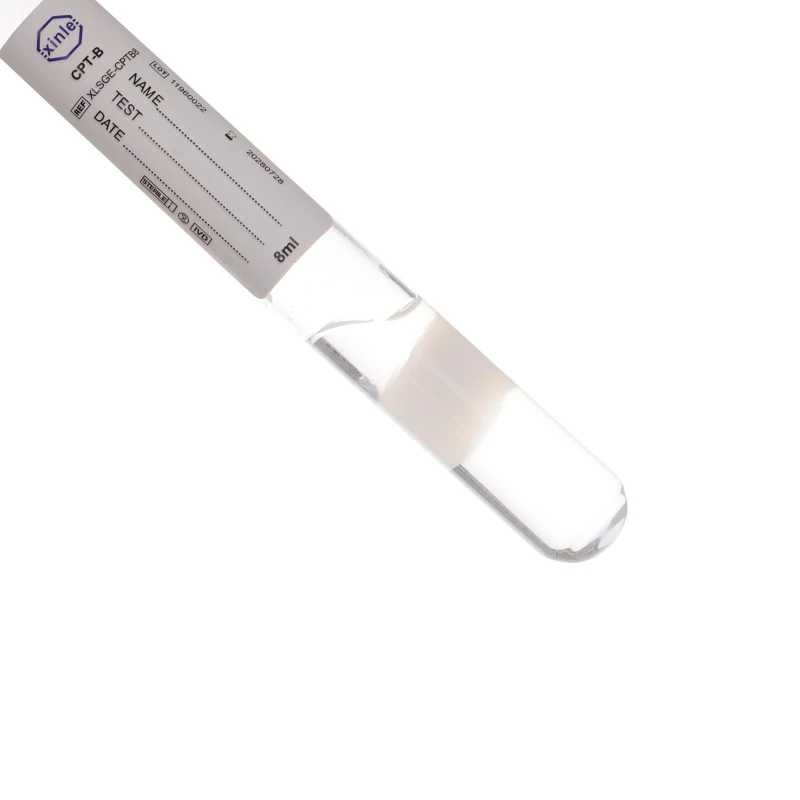
  5. Layer Formation: Post-centrifugation, the gel barrier seals off red blood cells and granulocytes at the bottom. The mononuclear cell (PBMC) layer appears as a distinct, whitish, cloudy band immediately beneath the clear plasma layer above the gel.
  6. Harvesting: Aspirate the plasma layer, then collect the cloudy PBMC band using a sterile pipette for downstream washing or cell culture.

Frequently Asked Questions (FAQ)

A: Gently invert the tube 8–10 times immediately after collection to ensure thorough mixing of whole blood with the pre-loaded anticoagulant. Tubes should be stored vertically at room temperature (18–25°C), and centrifugation is recommended within 2 hours of blood collection for optimal separation results.

A: The recommended centrifugation parameters are 1500–1800 × g for 20 minutes at room temperature (18–25°C) using a swinging-bucket rotor with slow or no braking.

A: CPT-A uses Sodium Citrate as the anticoagulant, which is preferred for molecular assays, HLA typing, and general cell biology. CPT-B uses Sodium Heparin as the anticoagulant, which is widely utilized in specific immunological and functional cellular assays. Both models contain the identical liquid density medium and inert gel barrier.

A: To maintain optimal cell viability, natural phenotypic expression, and RNA integrity, downstream sample processing or cryogenic preservation is recommended to be completed within 48 hours. Studies demonstrate that delayed processing significantly impacts cell viability and surface marker integrity.

Explore Portfolio

Related Consumables & Needles

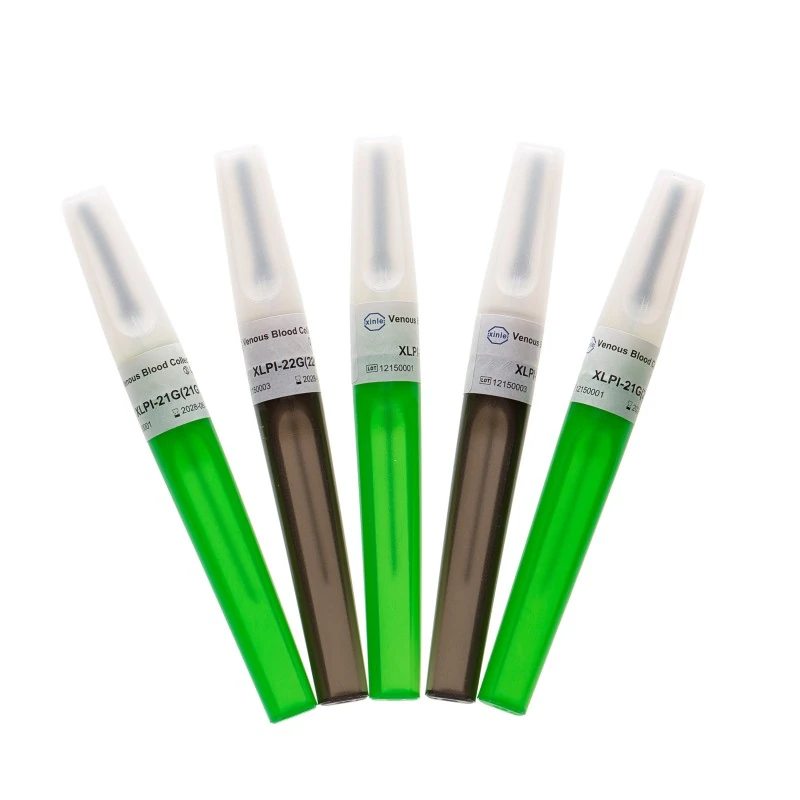
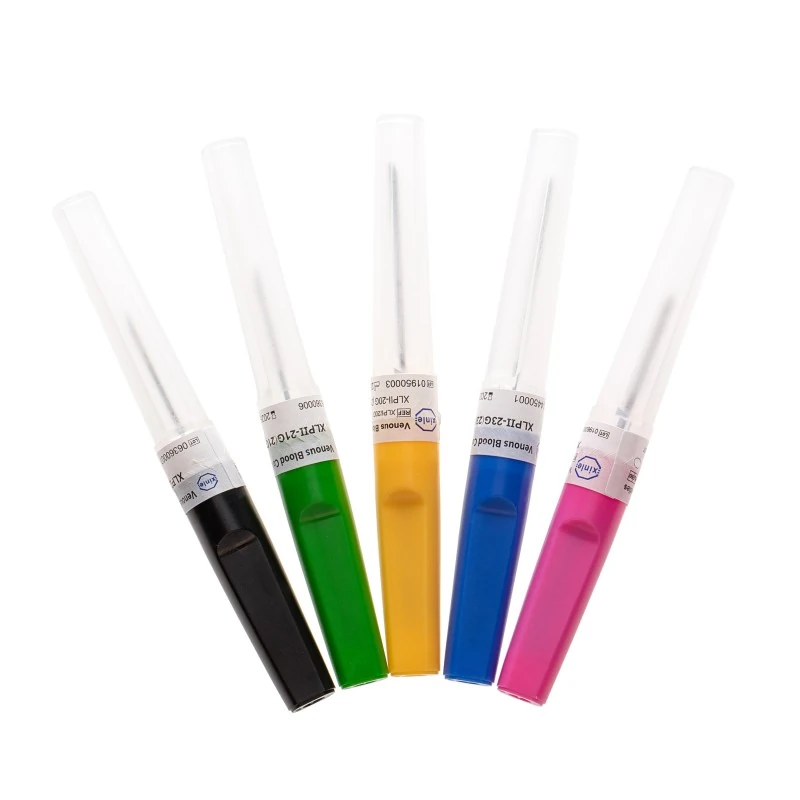
Multi-Sample Blood Collection Needles (Pen Needles)

Multi-Sample Blood Collection Needles (Pen Needles)

View Details

Flashback Blood Collection Needles (Flashback Chamber Needles)

Flashback Blood Collection Needles (Flashback Chamber Needles)

View Details
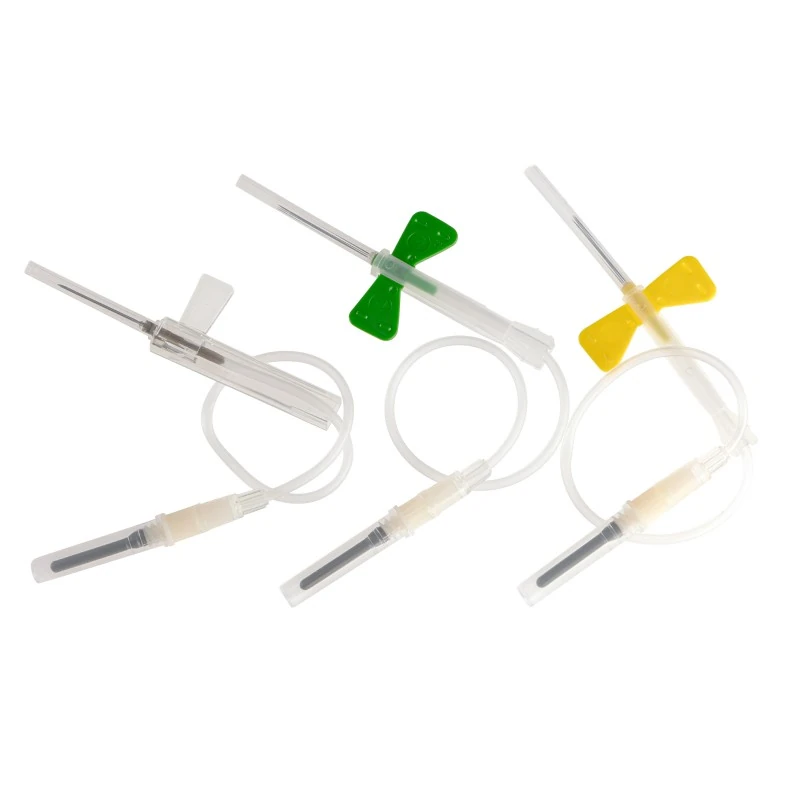
Safety Butterfly Blood Collection Needles (Retractable blood collection needles)

Safety Butterfly Blood Collection Needles (Retractable blood collection needles)

View Details
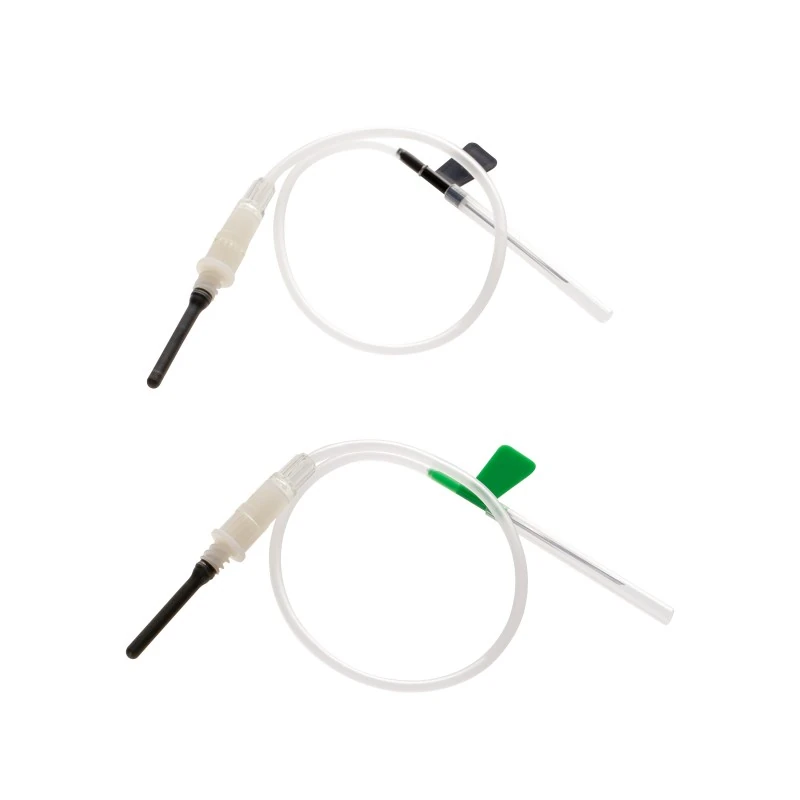
butterfly blood collection needles (venous winged sets)

Butterfly Blood Collection Needles (Soft-link blood collection needles)

View Details
QUICK ACCESS